
Blog › Advice › Protecting the legs
Guide · Protection
Bell boots, brushing boots, fetlock boots: protecting your horse's legs
Each type of protection has its role: bell boots protect the heels, tendon boots the tendons, fetlock boots the inside of the fetlock. How to choose and fit them.
What each protection is for
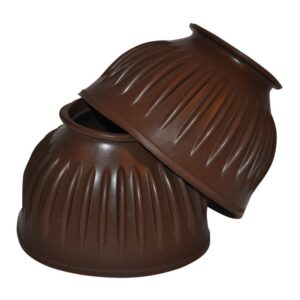
Overreach boots
They surround the hoof and protect the heels and coronet from overreach injuries from the hind feet. They also reduce pulled shoes.
Tendon boots
On the front legs, they protect the tendons. The open-front tendon boots leave the front of the cannon free, so the horse can feel the pole when jumping. The closed tendon boots protect the whole way round the leg.
Fetlock boots
On the hind legs, they protect the inside of the fetlock from knocks from the opposite leg.
Bandages
They support and protect the leg during work or rest. Badly applied, they can put pressure on the tendon: you need to know how to put them on.
By discipline
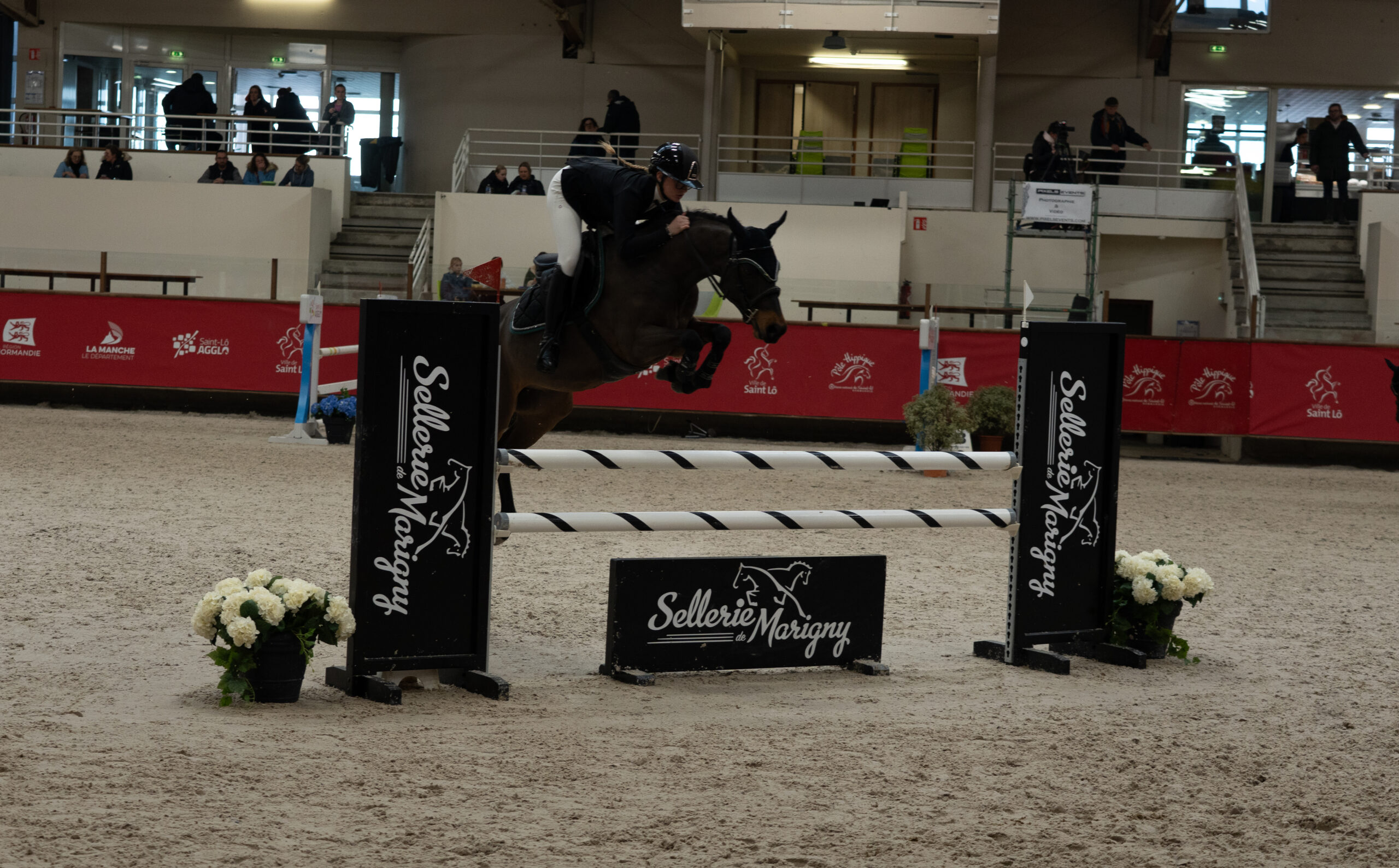
Show jumping : open-front boots in front, fetlock boots behind, bell boots if the horse overreaches.
Cross-country : closed boots in front and behind, sturdier, plus bell boots.
Dressage and flatwork : light closed boots or bandages, depending on your competition rules.
Lunging and loose schooling : closed boots and bell boots, as the horse plays and overreaches more easily.
Rules sometimes limit the weight or type of hind boots, especially for young horses. Check the rules for your class.
Fitting them correctly
- Brush the leg: a grain of sand under a boot is enough to rub.
- Place the boot a little high, then slide it down to lay the hair flat.
- Fasten the straps with even tension, from top to bottom.
- Point the straps towards the back so they do not catch.
- Check that you can slide a finger under the boot.
The right size
A tendon boot should cover the cannon from just below the knee to the fetlock, without restricting flexion. A bell boot should cover the heels without dragging on the ground: with the horse standing, it should just touch the ground at the back. Between two sizes, come and try them in the shop with your horse or its old boots.
Care
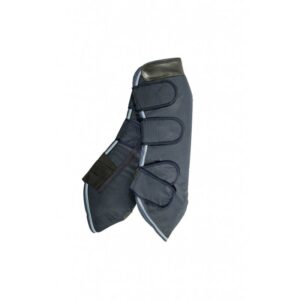
Remove boots straight after work and let the leg dry. Rinse off mud and sweat, close the Velcro straps for washing, and air dry. For travel, choose travel protection that also cover the knee or hock.
Boots and protection in our shop
See the whole range-

Privilège thick closed overreach boots
From 18,90 €Select options This product has multiple variants. The options may be chosen on the product page -
-