Bits

Price
Min
Max
Colour
1-18 sur 60 produits
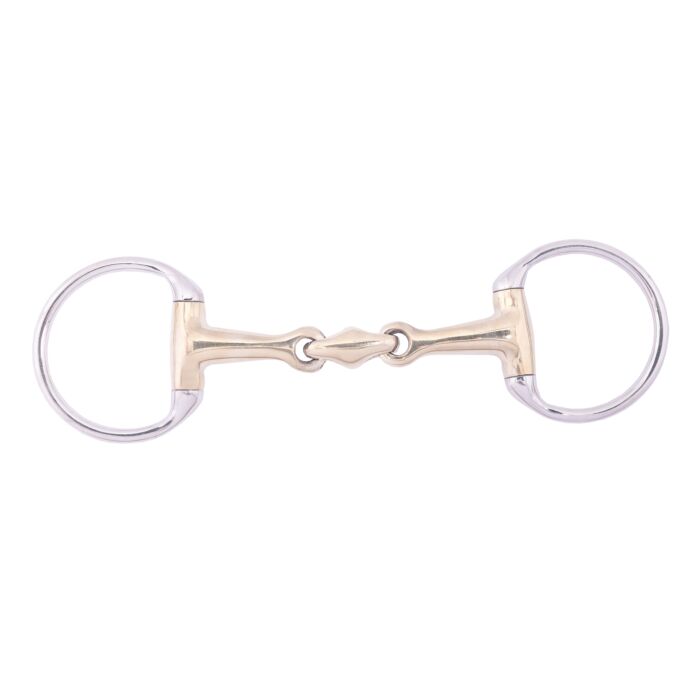
  • Double-jointed eggbutt bit
    From 36,95 €
    Select options This product has multiple variants. The options may be chosen on the product page
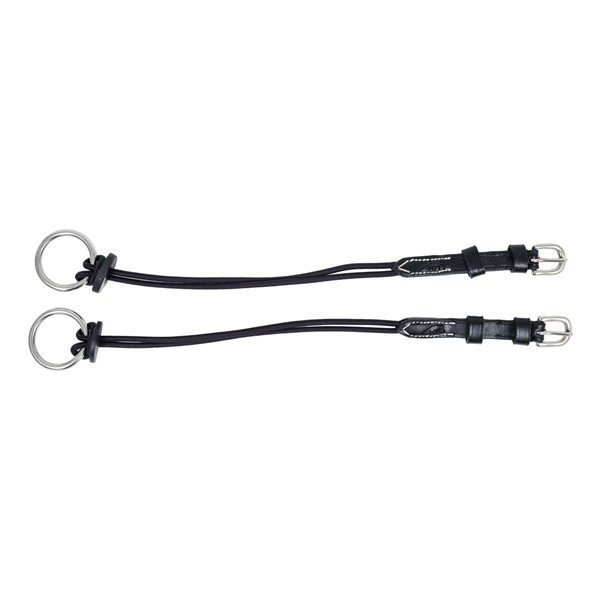
  • Fine-cord gag cheekpieces
    From 20,90 €
    Select options This product has multiple variants. The options may be chosen on the product page
  • Happy Mouth full cheek double-jointed bit
    From 69,90 €
    Select options This product has multiple variants. The options may be chosen on the product page
  • Anti-rearing bit
    From 24,90 €
    Select options This product has multiple variants. The options may be chosen on the product page
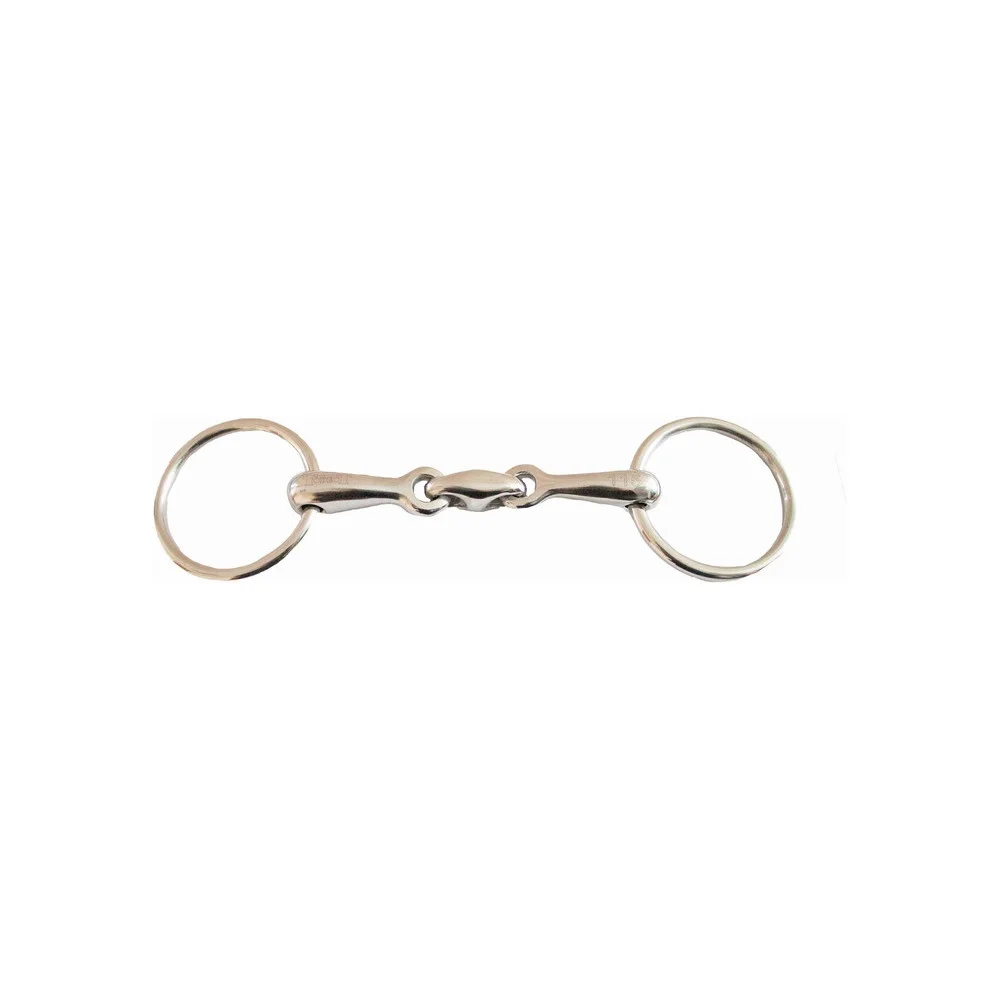
  • BR pony double-jointed loose ring snaffle 14 mm
    From 29,95 €
    Select options This product has multiple variants. The options may be chosen on the product page
  • Soft contact double-jointed loose ring bit 12mm
    From 39,95 €
    Select options This product has multiple variants. The options may be chosen on the product page
  • BR double-jointed Verdun bit
    46,90 €
  • Straight-bar resin 3-ring bit
    39,90 €
  • T de T double-jointed eggbutt bit
    29,90 €
  • Metalab pinchless bit
    136,90 €
  • Metalab magic system bit
    84,90 €
  • Privilège stainless steel and copper 3-ring bit
    41,90 €
  • HFI tandem straight-bar resin bit
    41,00 €
  • T de T curb bit
    24,90 €
  • Stud case
    52,96 €
  • HFI resin Spanish bit
    49,90 €
  • HKM eggbutt bit
    29,95 €
  • T de T Saumur bit
    44,90 €

Horse bits: measure before you choose

To find the width of the mouth, slide a cord or a wooden dowel into the place of the bit and mark where it comes out on each side. The bit should extend about half a centimetre beyond the mouth on each side. Too narrow, it pinches the corners of the mouth; too wide, it slides around in the mouth and the joint drops onto the tongue.

Thickness matters too. A thick mouthpiece, such as the 19 mm flat link or the 22 mm eggbutt in the Pro Confort range, spreads the pressure, but it takes up room. For a small mouth or a fleshy tongue, a 14 mm often fits better.

Loose ring, eggbutt, full cheek or Baucher

Loose rings slide through the mouthpiece: the bit moves, and the horse is more willing to mouth it. Eggbutts hold the mouthpiece in place and do not pinch the lips. Full cheeks guide from the side, which helps a young horse understand turns. Attached to the cheekpiece by a small fixed ring, the Baucher stays very stable in the mouth and suits horses that dislike a mobile bit.

As for the mouthpiece, a single-jointed bit has a nutcracker action when you take up the contact. The double-jointed bit, with a flat central link or a lozenge, follows the shape of the tongue more closely and is often a good starting point. You will find both on our page double-jointed and single-jointed bits.

Stainless steel, copper, resin or leather

Stainless steel is strong and neutral. Copper, as on the BR Waterford Cuprion or the T de T copper bits, has a taste that encourages salivation. Resin (HFI, Privilège, HKM) and rubber are softer and less cold in winter, as is the Lamicell leather Verdun. These soft materials wear: check that no tooth marks have left a sharp edge.

Gag bits and pelhams

These bits, like the three-ring Pessoa, have a stronger action than a snaffle, spread between the mouth and the poll. They are justified on a horse that leans on the hand or pulls, in steady hands, and never as a substitute for schooling. Gag bits, including the Metalab Magic System and the Pro Confort models, have their own page gag bits. Bit guards, pelham roundings and tongue guards are in the bit accessories.

To find out more, read our guide to choosing the right bit size for your horse.

Frequently asked questions about bits

How do I check that the bit is the right size?

With the bit in place, gently pull one ring to straighten the mouthpiece: there should be about half a centimetre left on the other side, between the ring and the lip. For height, the bit should create one or two small wrinkles at the corner of the mouth. Marks or calluses at the corners of the lips often indicate a bit that is too narrow or too high.

Which material for a horse that does not mouth its bit?

Copper and resin are the two most common options: the first has a taste that encourages salivation, the second is softer and less cold than stainless steel. A loose ring bit, which is more mobile than an eggbutt, can also help. If the mouth remains dry or tense, have the teeth checked by your vet or an equine dentist.

What is a tongue port for?

It is a curve in the middle of the mouthpiece that leaves room for the tongue. The pressure shifts slightly more onto the bars. It suits horses with a thick tongue and those that put their tongue over the bit. From Beris, you will find two, including a tandem bit.

Can I return a bit that does not suit?

Yes, within 14 days of receipt, provided it has not been used and is returned in its packaging. So compare its width with your current bit before putting it in your horse's mouth. You can also come to the Saint-Lô shop with your old bit: we will measure and compare on the spot.

How do I care for a bit?

Rinse it in clean water after every session, before saliva and grass dry on it, and wipe the joints. Once a week, take a close look at it: a worn ring, a joint that has become loose or resin marked by teeth can cause injury. If so, replace it straight away.