
Riding boots

Price
Min
Max
Colour
1-8 of 8 products
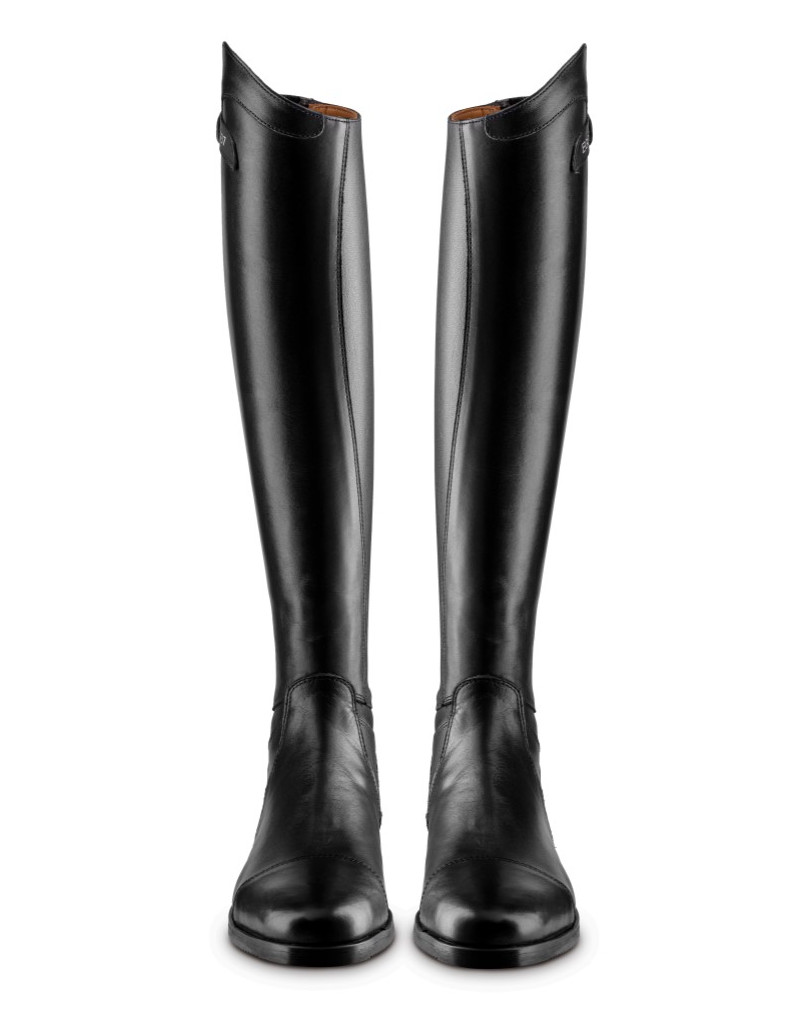
  • Ego7 Aries riding boots
    From 349,00 €
    Select options This product has multiple variants. The options may be chosen on the product page
  • Husky winter thermal boots
    From 69,95 €
    Select options This product has multiple variants. The options may be chosen on the product page
  • Julie kids boots
    From 89,95 €
    Select options This product has multiple variants. The options may be chosen on the product page
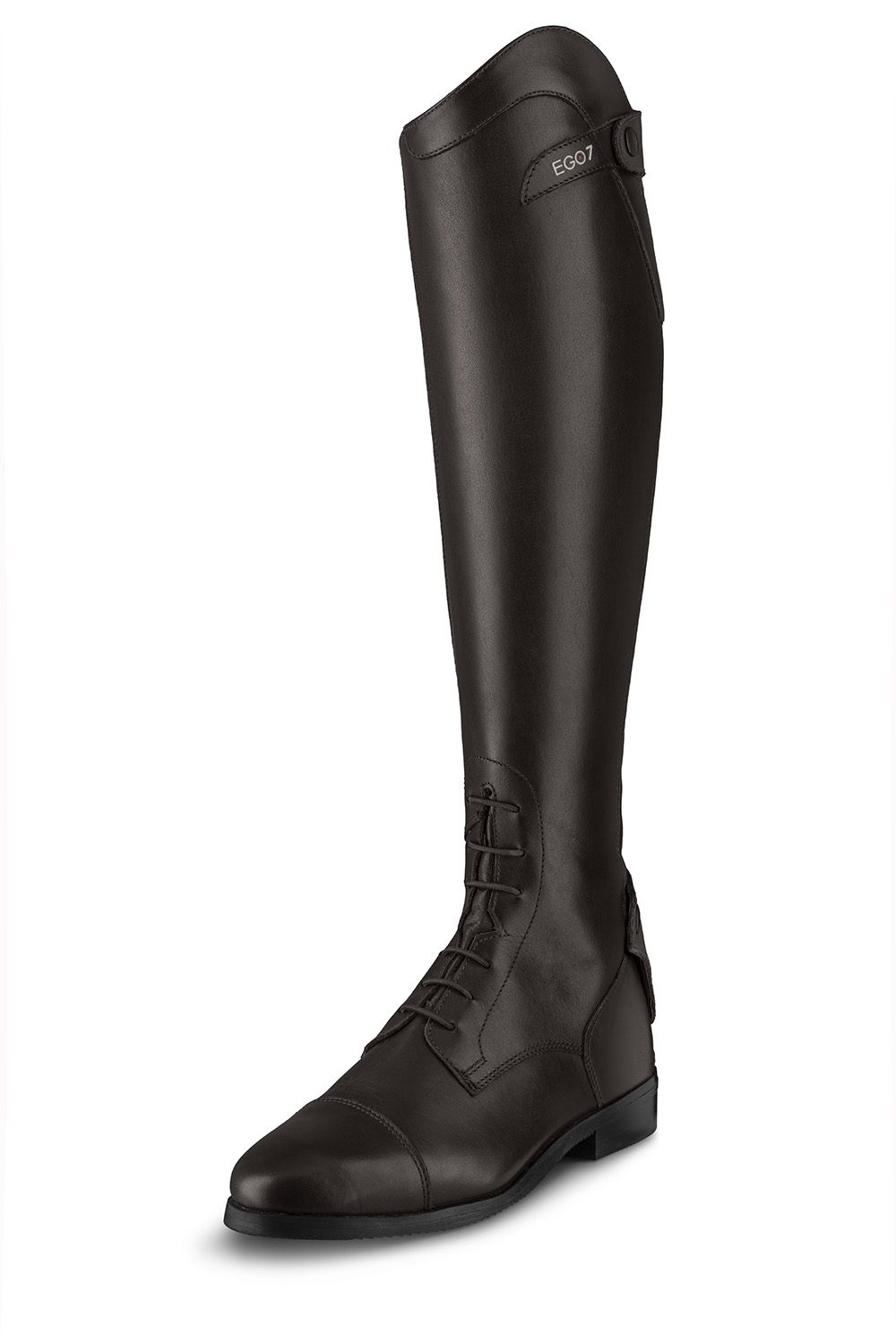
  • Ego7 Orion boots
    From 349,00 €
    Select options This product has multiple variants. The options may be chosen on the product page
  • HKM Belmond boots
    124,96 €
  • Horse Pilot women's boots
    From 475,00 €
    Select options This product has multiple variants. The options may be chosen on the product page
  • Horse Pilot men's boots
    From 475,00 €
    Select options This product has multiple variants. The options may be chosen on the product page
  • Ego7 Contact boots
    From 469,00 €
    Select options This product has multiple variants. The options may be chosen on the product page

Leather riding boots: the calf matters as much as the shoe size

A tall boot is chosen using three measurements, taken at the end of the day and with the socks you wear for riding: shoe size, calf circumference at the widest point and height, from the floor to the hollow behind the knee. The calf should go in without forcing, but the shaft should not gape. A boot that is too wide twists around the leg, which loses stability.

Allow for a new boot to be slightly tall, touching the hollow of the knee. The leather settles at the ankles in the first few weeks and the shaft drops slightly.

Zip, laces or pull-on boots

A zip at the back makes the boots easier to put on and allows a shaft that fits the calf closely. Boots with laces over the instep, known as "field" boots, give the ankle more flexibility and suit high insteps. A boot with no fastening needs boot pulls, but has no part that can fail.

Riding boots or jodhpur boots with half chaps?

Tall boots give the best contact with the horse and remain the standard in competition. Combining jodhpur boots and ankle boots with half chaps often costs less, can be worn all day at the yard and adapts better to a calf outside standard sizes.

Winter boots and leather care

For the cold months, the lined Husky thermal boots can be worn for riding as well as for work at the yard. They spare you keeping wet leather boots on all day.

Well-cared-for leather lasts for years. Brush off mud once it is dry, feed the leather regularly, then polish it with a suitable product such as Ego7 polish. Let the boots dry in the air, away from radiators, which make leather crack, and store them upright. After a ride in the rain, stuff them with newspaper so they dry without losing their shape. A sole that is starting to come away can be repaired with boot glue before water gets in.

Frequently asked questions about riding boots

How do I measure my calf?

Standing with your feet flat, measure around the widest point of the calf with a tape measure, over a riding sock. Measure both legs and use the larger figure.

How long does it take to break in boots?

Allow a few sessions. Wear them on foot first, for a few hours, before riding in them for long: the leather softens at the ankle and takes the shape of your leg.

Are riding boots for a child a sensible idea?

Feet grow quickly, which is why many parents choose jodhpur boots and half chaps until the teenage years. For a child who competes, junior boots such as the Julie remain the smartest outfit.

My new boots rub behind the knee, is that normal?

Yes, at first. The shaft drops as the leather settles at the ankles. If the discomfort lasts beyond ten or so rides, come into the shop so we can check the height.

How should I store my boots?

Upright, clean and dry, away from heat. Boot trees keep the shaft straight and prevent the creases that eventually split the leather.