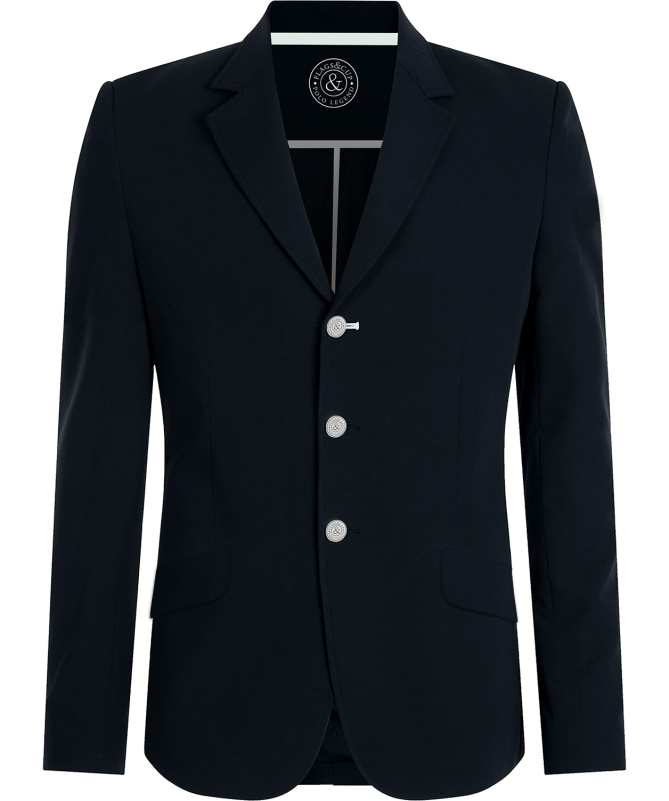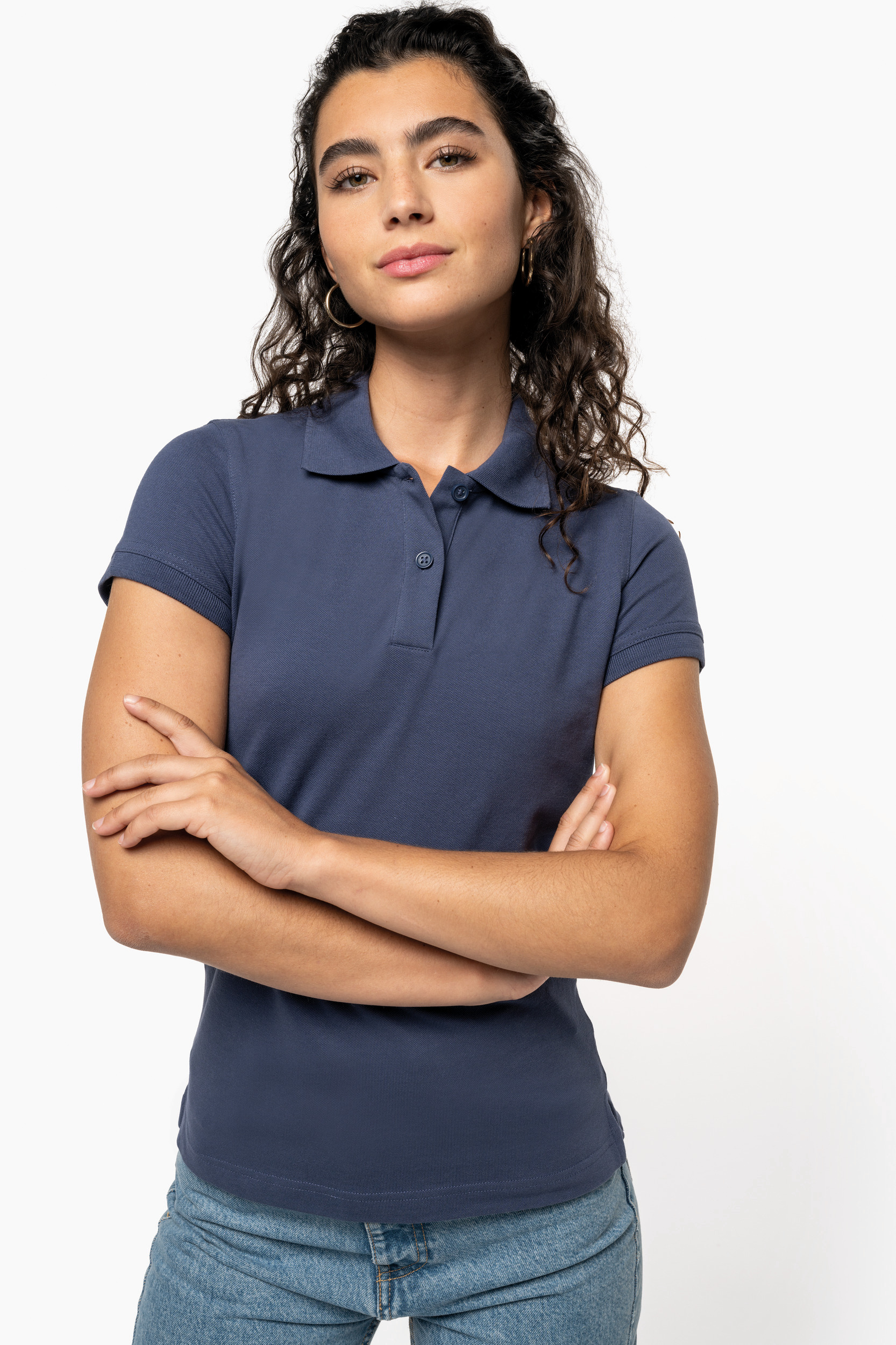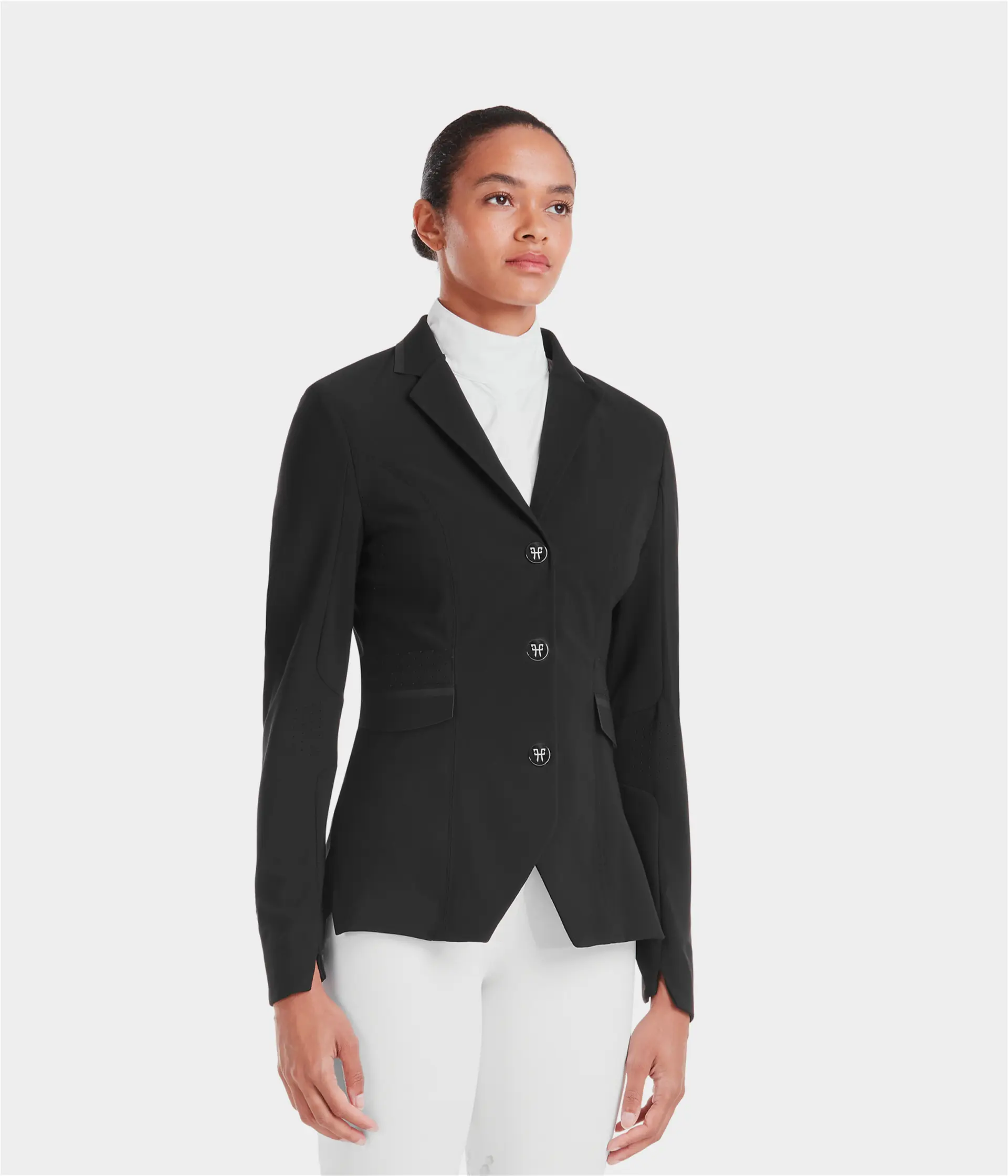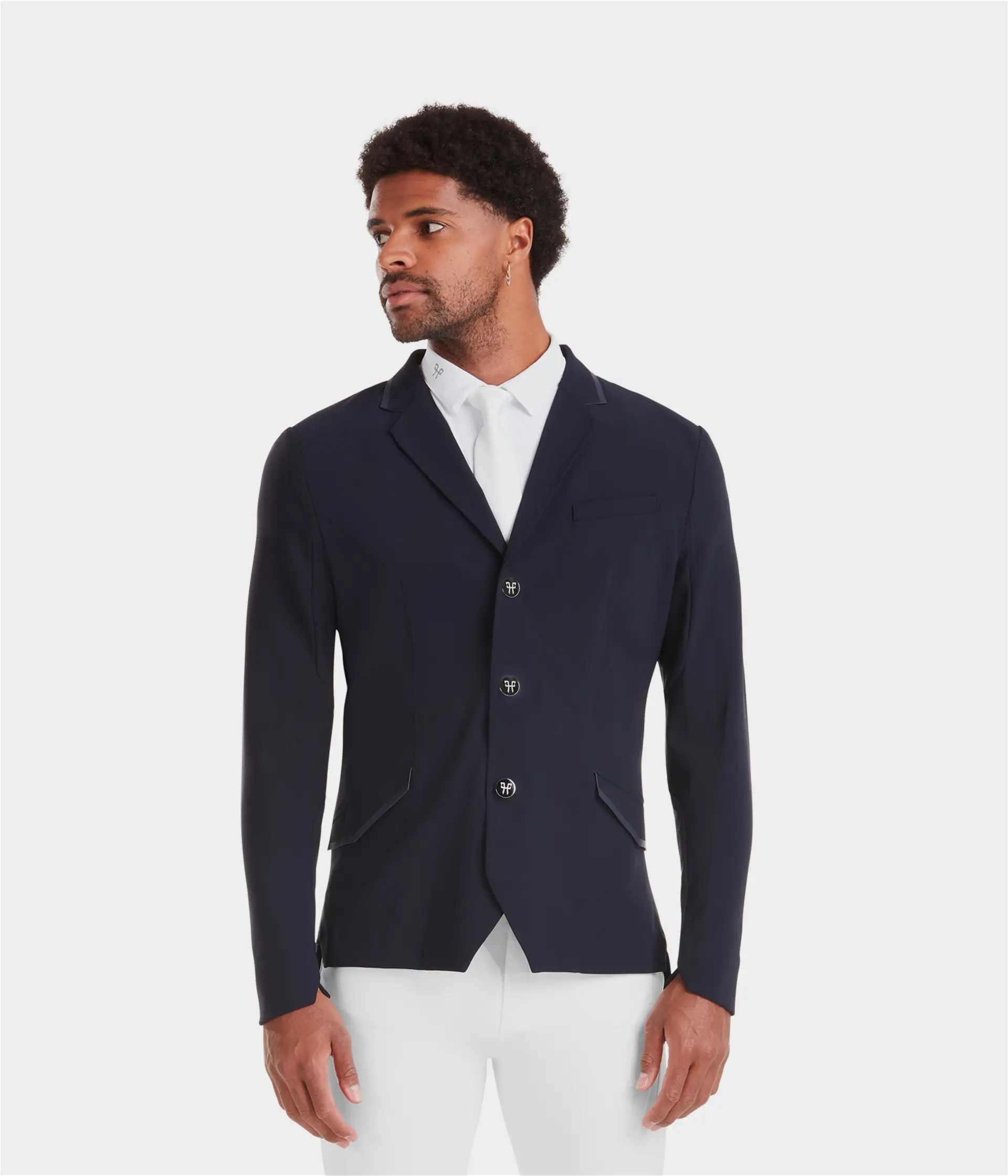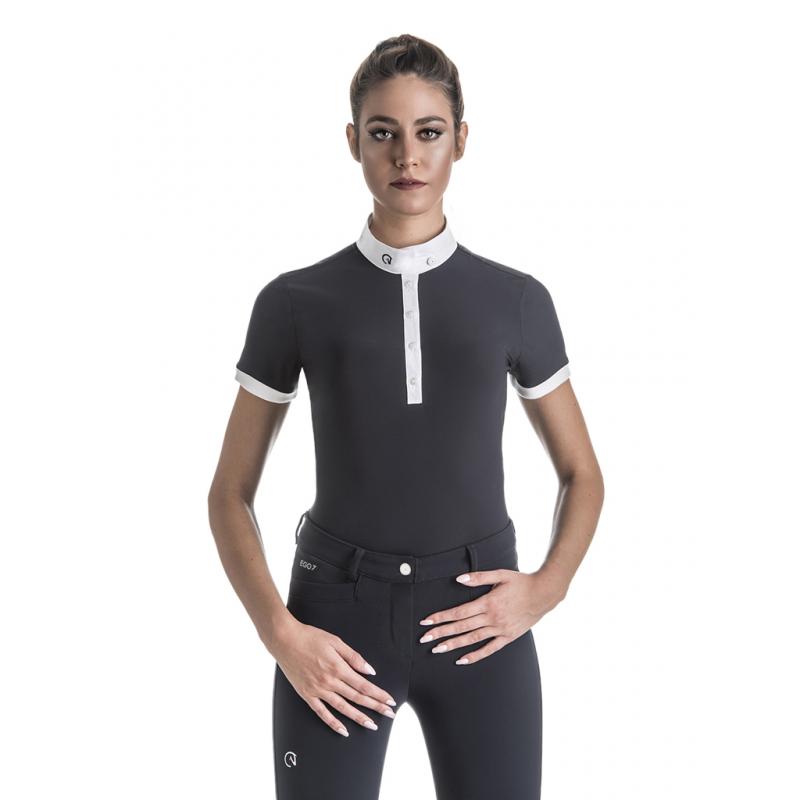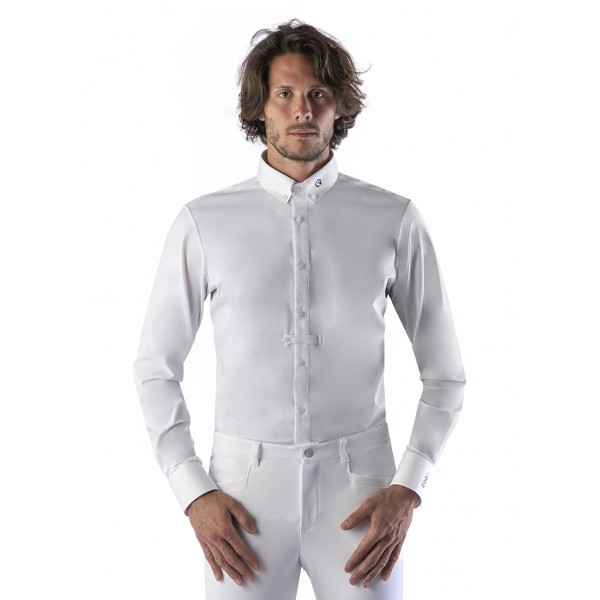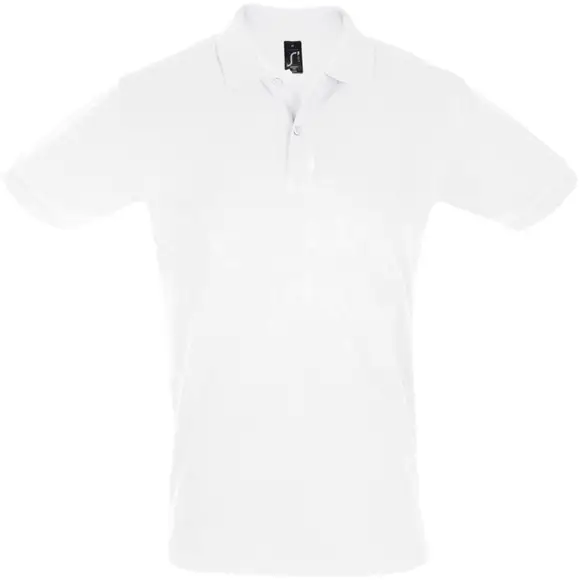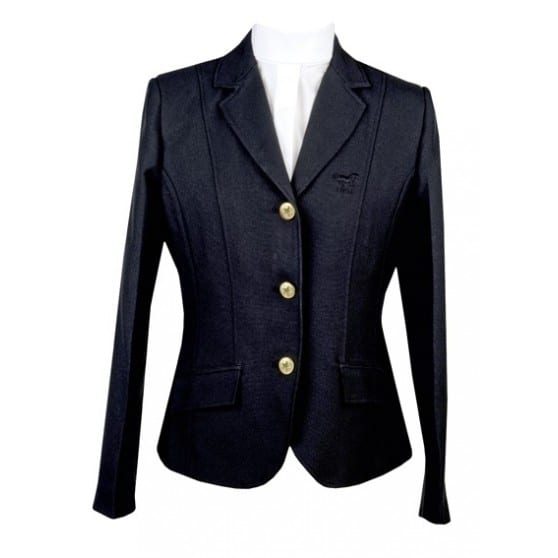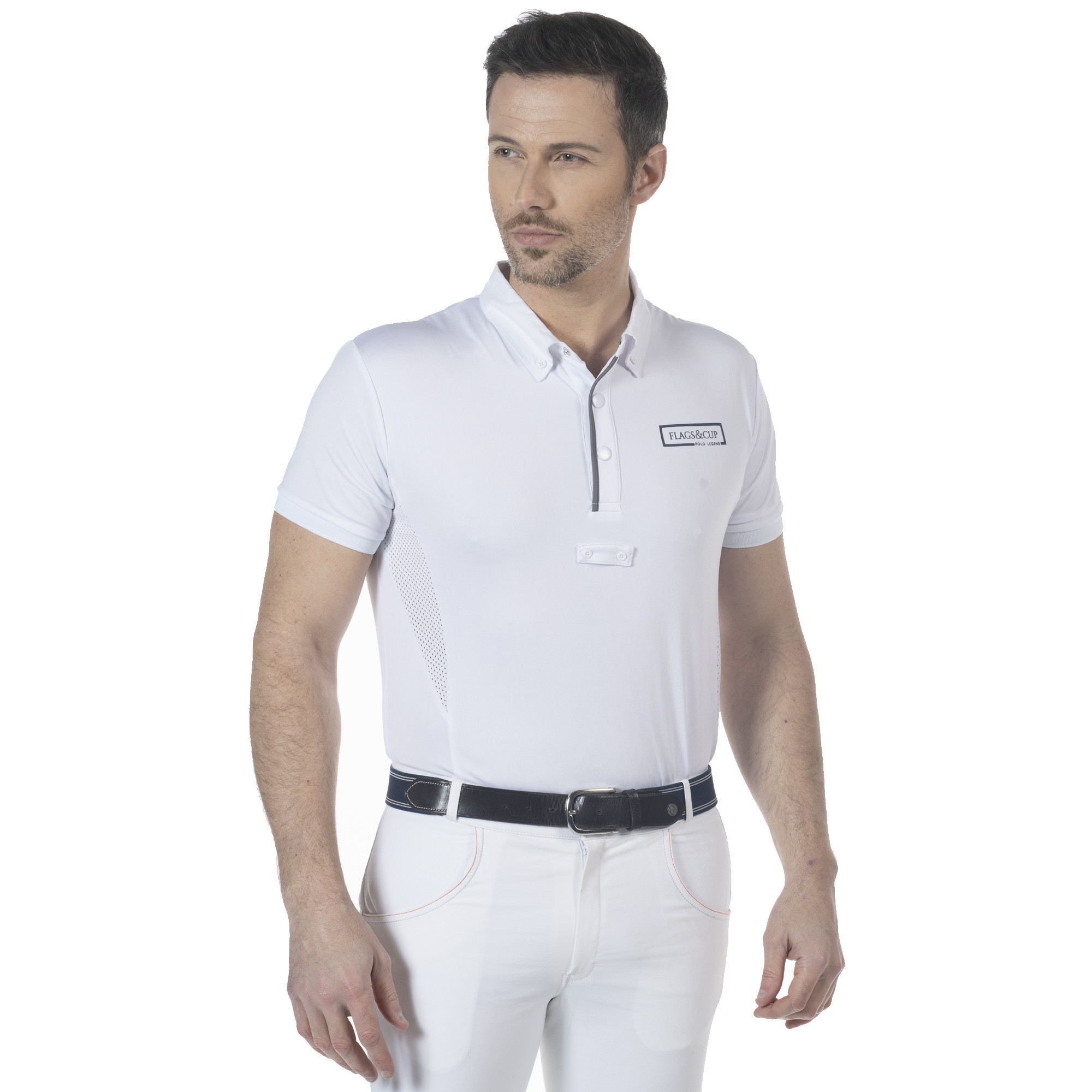

The competition jacket is the first thing people notice in the ring, but the outfit is judged as a whole: jacket, show shirt or shirt, light-coloured breeches. This selection brings together our competition pieces for women, men and children.
Jackets: Aerotech and Aeromesh by Horse Pilot, June, Jismy, Illuna or Mélodie by Harcour, Hunter and Marburg by HKM, Tasavero by Privilège. Tops: Aerolight shirts by Horse Pilot, show shirts by Harcour, Privilège, Ego7 or Flags&Cup. For children, from the Lucy jacket by Rider to Privilège show shirts.
-
 From 129,90 €Select options This product has multiple variants. The options may be chosen on the product page
-

-
 From 85,00 €Select options This product has multiple variants. The options may be chosen on the product page
-
 From 425,00 €Select options This product has multiple variants. The options may be chosen on the product page
-
From 425,00 €Select options This product has multiple variants. The options may be chosen on the product page
-
From 140,00 €Select options This product has multiple variants. The options may be chosen on the product page
-
From 125,00 €Select options This product has multiple variants. The options may be chosen on the product page
-
From 460,00 €Select options This product has multiple variants. The options may be chosen on the product page
-
From 275,00 €Select options This product has multiple variants. The options may be chosen on the product page
-
From 140,00 €Select options This product has multiple variants. The options may be chosen on the product page
-
From 125,00 €Select options This product has multiple variants. The options may be chosen on the product page
-
 86,00 €
-
 From 129,00 €Select options This product has multiple variants. The options may be chosen on the product page
-

-
-

-
 From 47,90 €Select options This product has multiple variants. The options may be chosen on the product page
-
From 44,90 €Select options This product has multiple variants. The options may be chosen on the product page