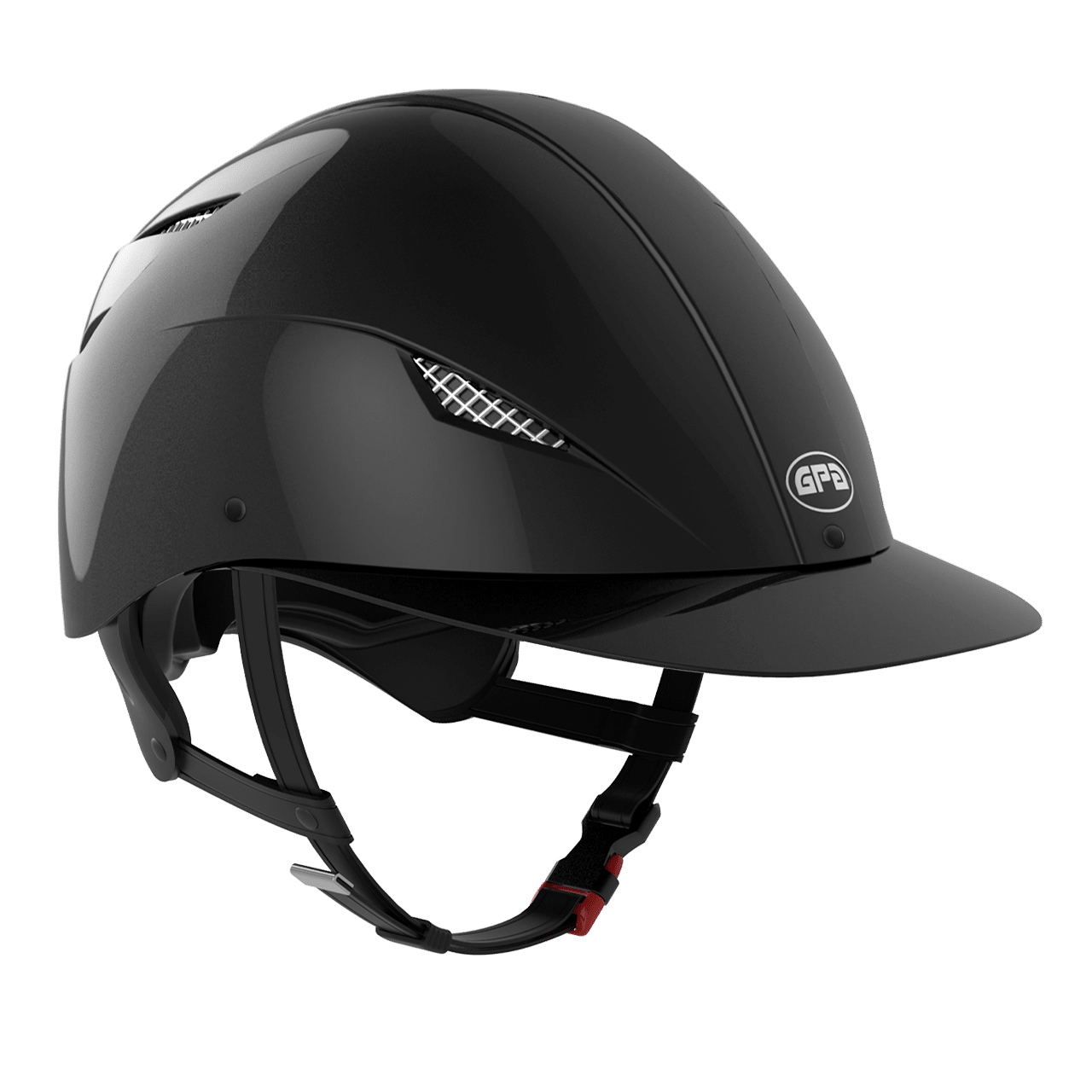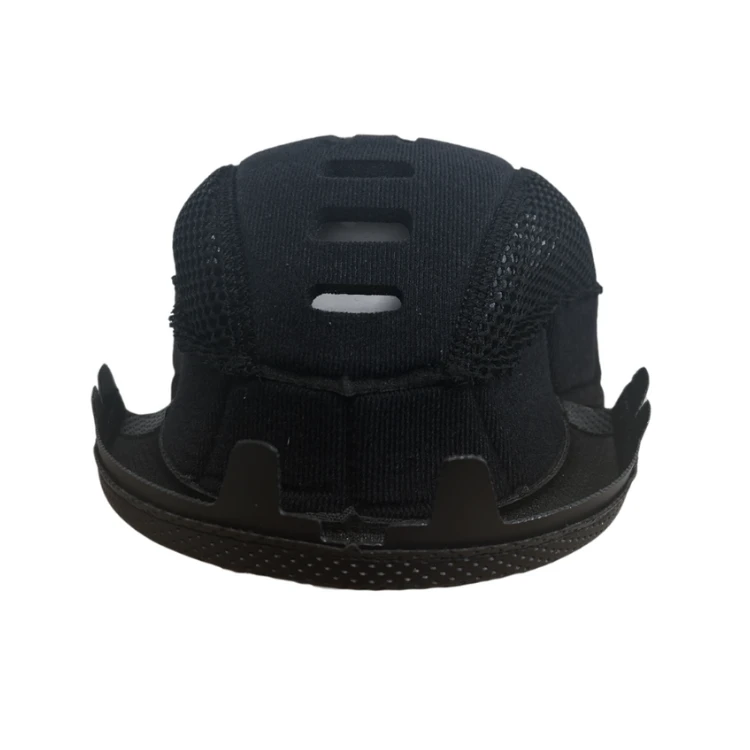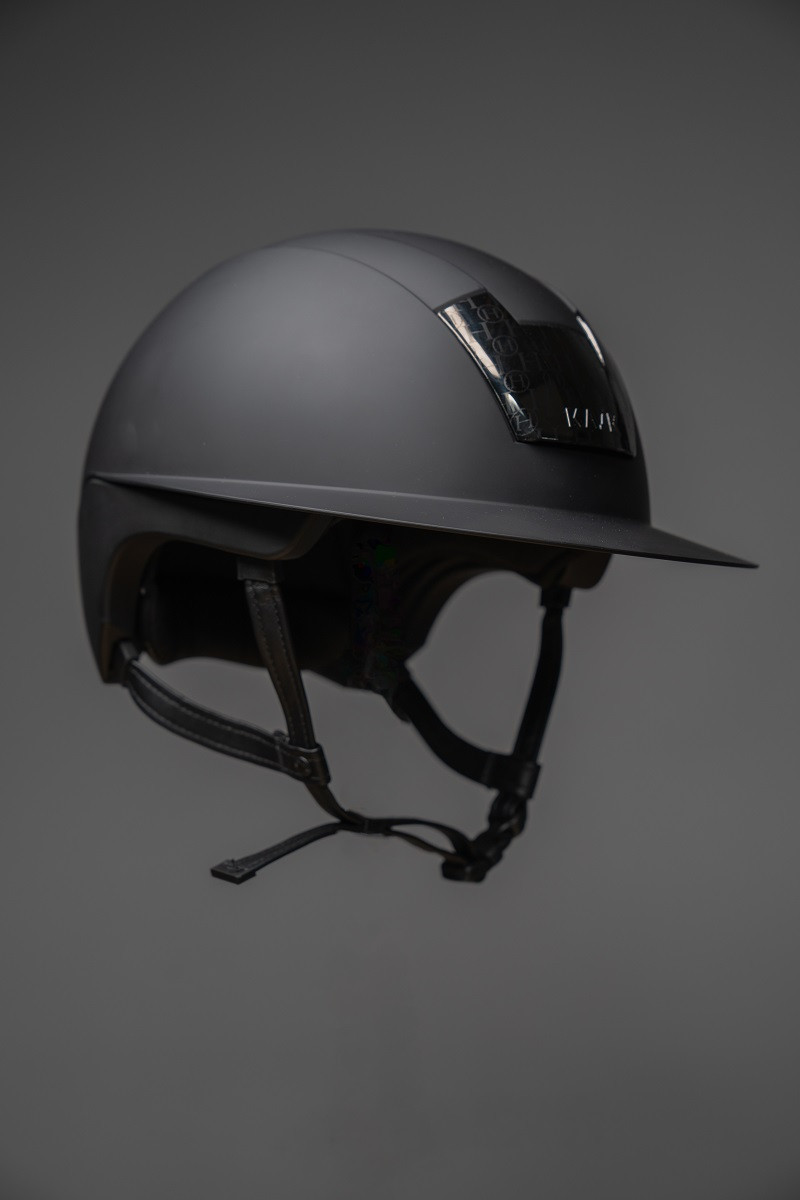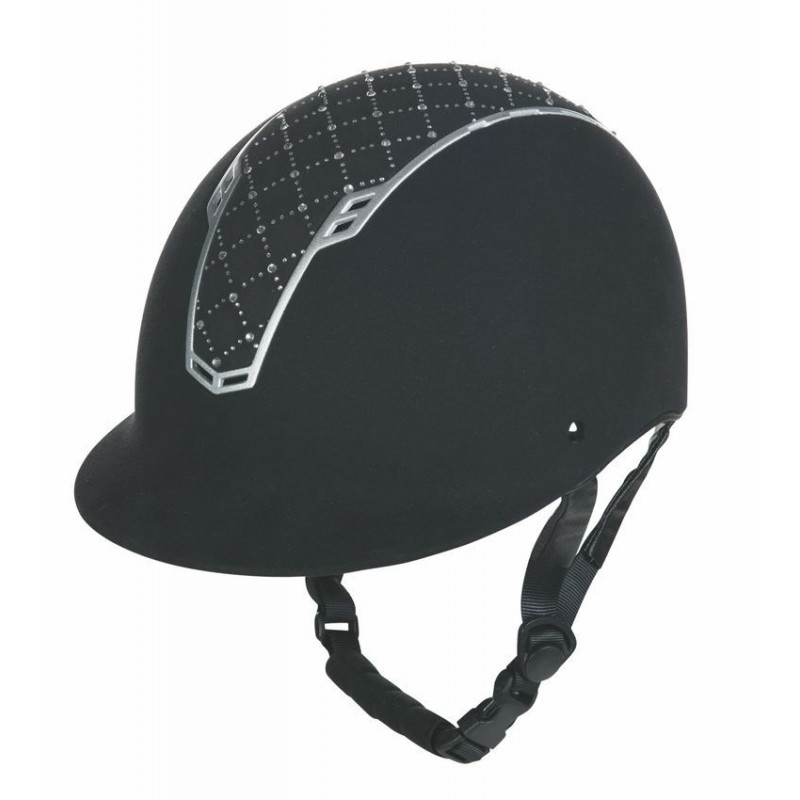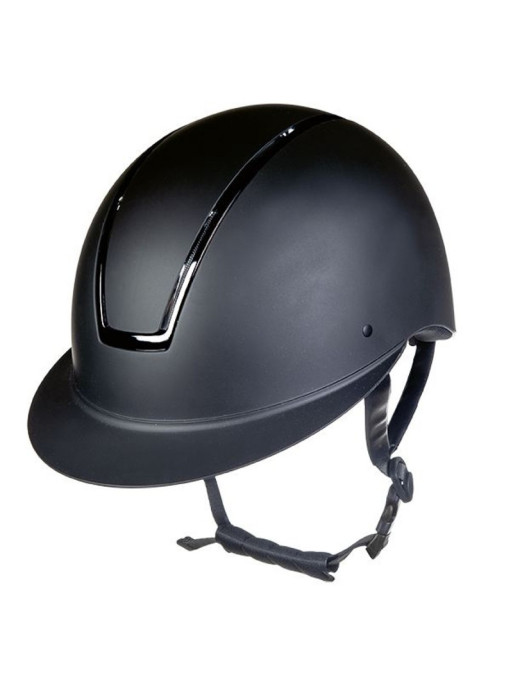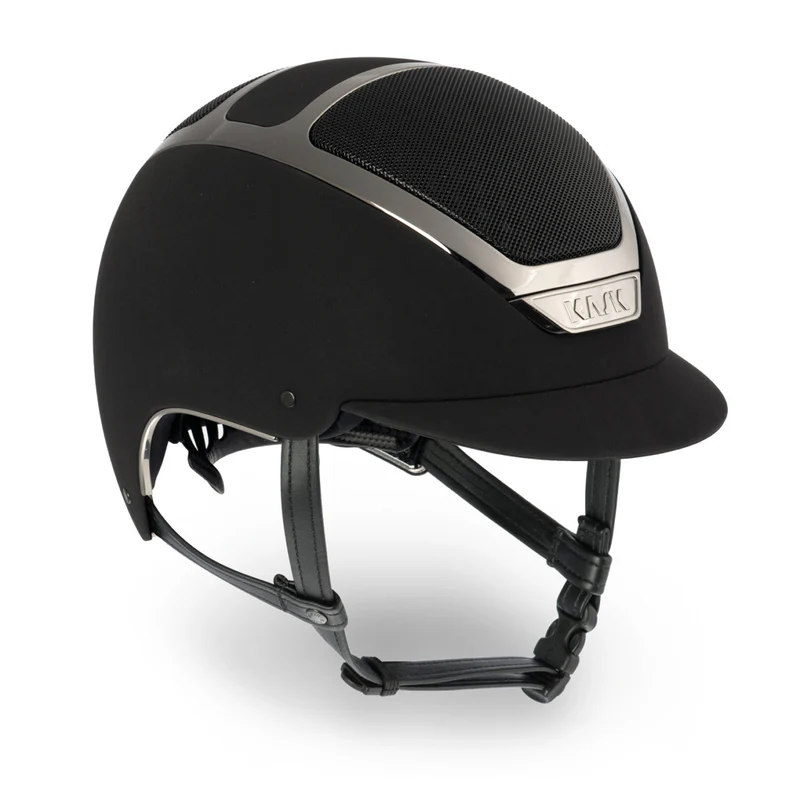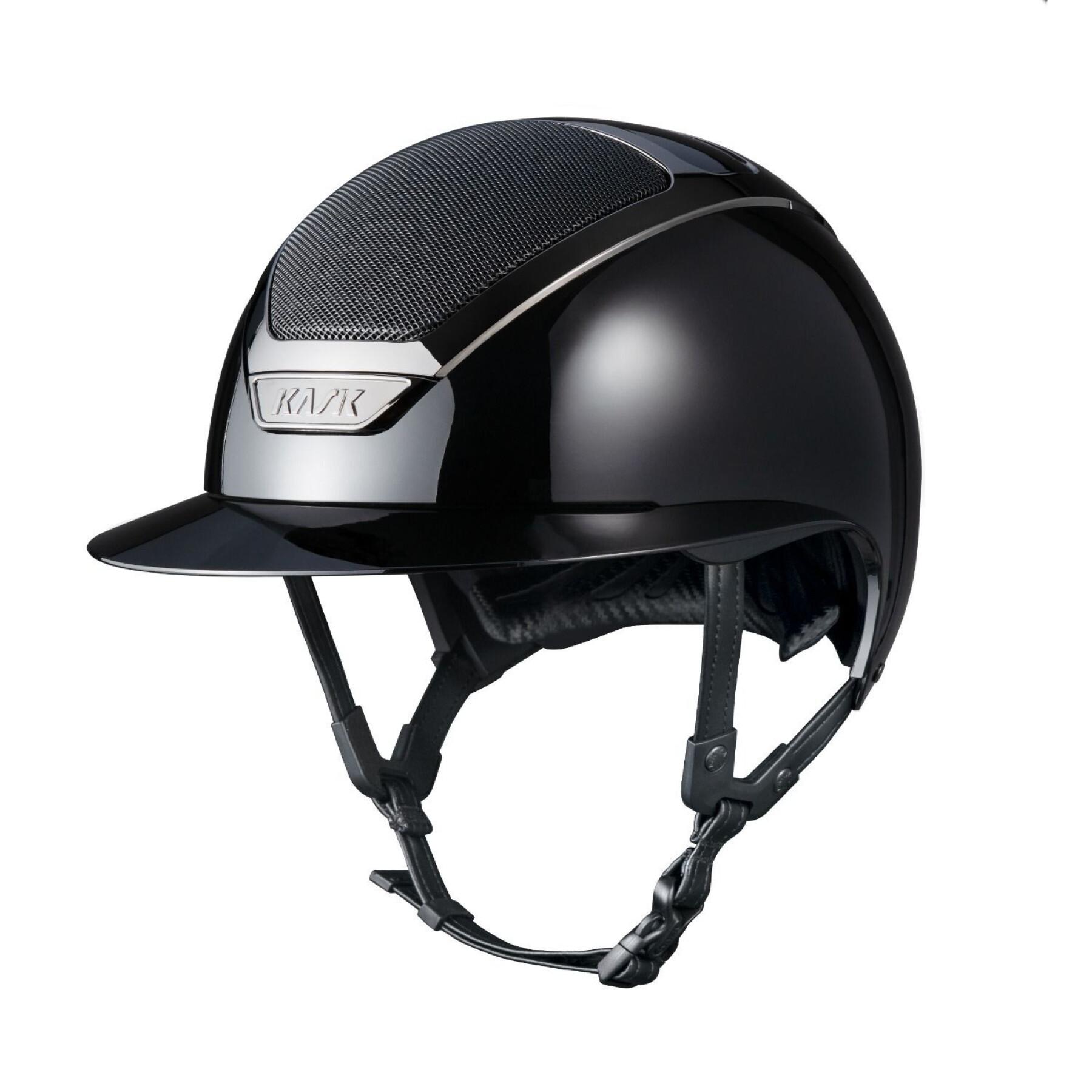
A riding hat is chosen first and foremost for its fit: it must match your head circumference, stay in place without pressing and carry the CE marking. We offer around thirty hats for adults and children, by GPA, KEP, Kask, HKM, Harcour and BR.
Classic peak or polo peak, matt, gloss or chrome shell, extra ventilation for summer: there is plenty of choice. The safest option is still to come and try them on in our Saint-Lô shop, as the shape of the shell matters as much as the size.
-
 49,96 €
-
 49,96 €
-
From 159,95 €Select options This product has multiple variants. The options may be chosen on the product page
-
 129,95 €
-
 From 119,95 €Select options This product has multiple variants. The options may be chosen on the product page
-
From 169,96 €Select options This product has multiple variants. The options may be chosen on the product page
-
 From 429,90 €Select options This product has multiple variants. The options may be chosen on the product page
-
From 129,95 €Select options This product has multiple variants. The options may be chosen on the product page
-
 From 99,95 €Select options This product has multiple variants. The options may be chosen on the product page
-
From 99,95 €Select options This product has multiple variants. The options may be chosen on the product page
-
 From 54,90 €Select options This product has multiple variants. The options may be chosen on the product page
-
 From 549,00 €Select options This product has multiple variants. The options may be chosen on the product page
-
 From 374,98 €Select options This product has multiple variants. The options may be chosen on the product page
-
From 129,95 €Select options This product has multiple variants. The options may be chosen on the product page
-
 From 109,96 €Select options This product has multiple variants. The options may be chosen on the product page
-
 From 549,00 €Select options This product has multiple variants. The options may be chosen on the product page
-
 From 549,00 €Select options This product has multiple variants. The options may be chosen on the product page
-
From 599,00 €Select options This product has multiple variants. The options may be chosen on the product page