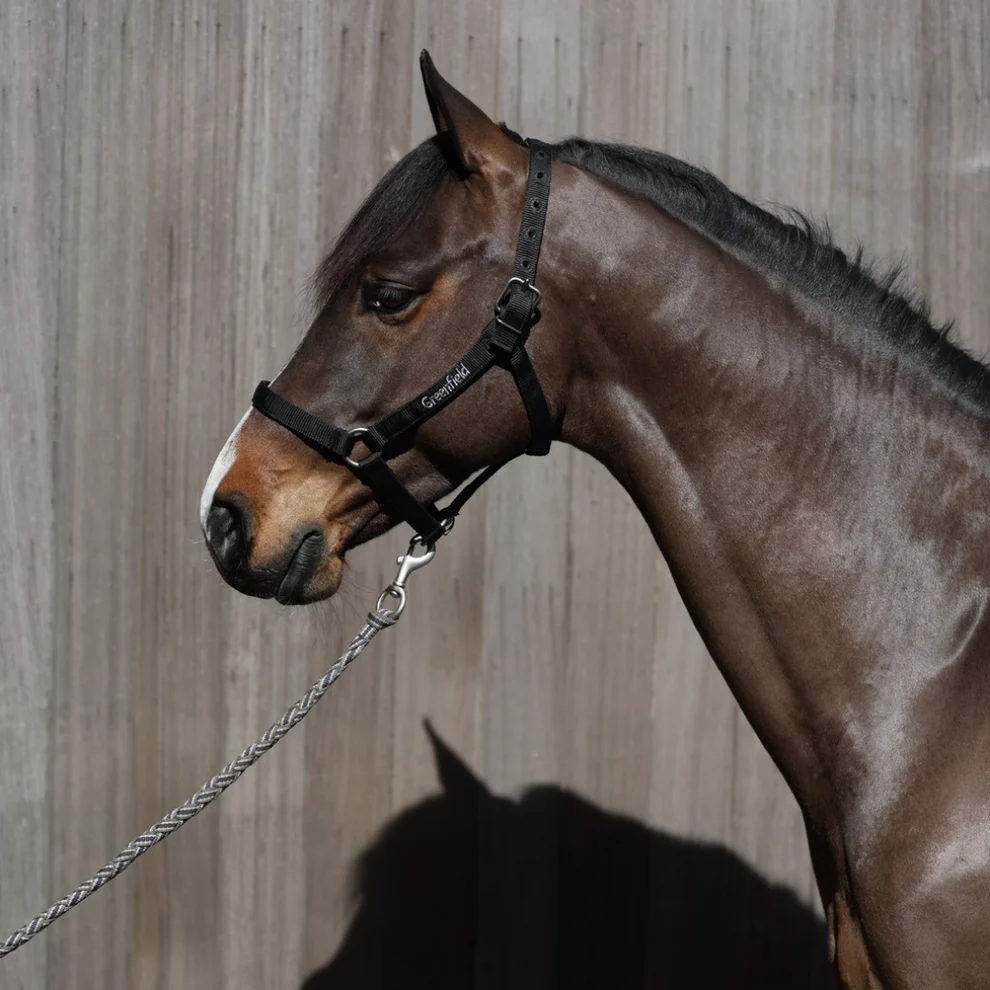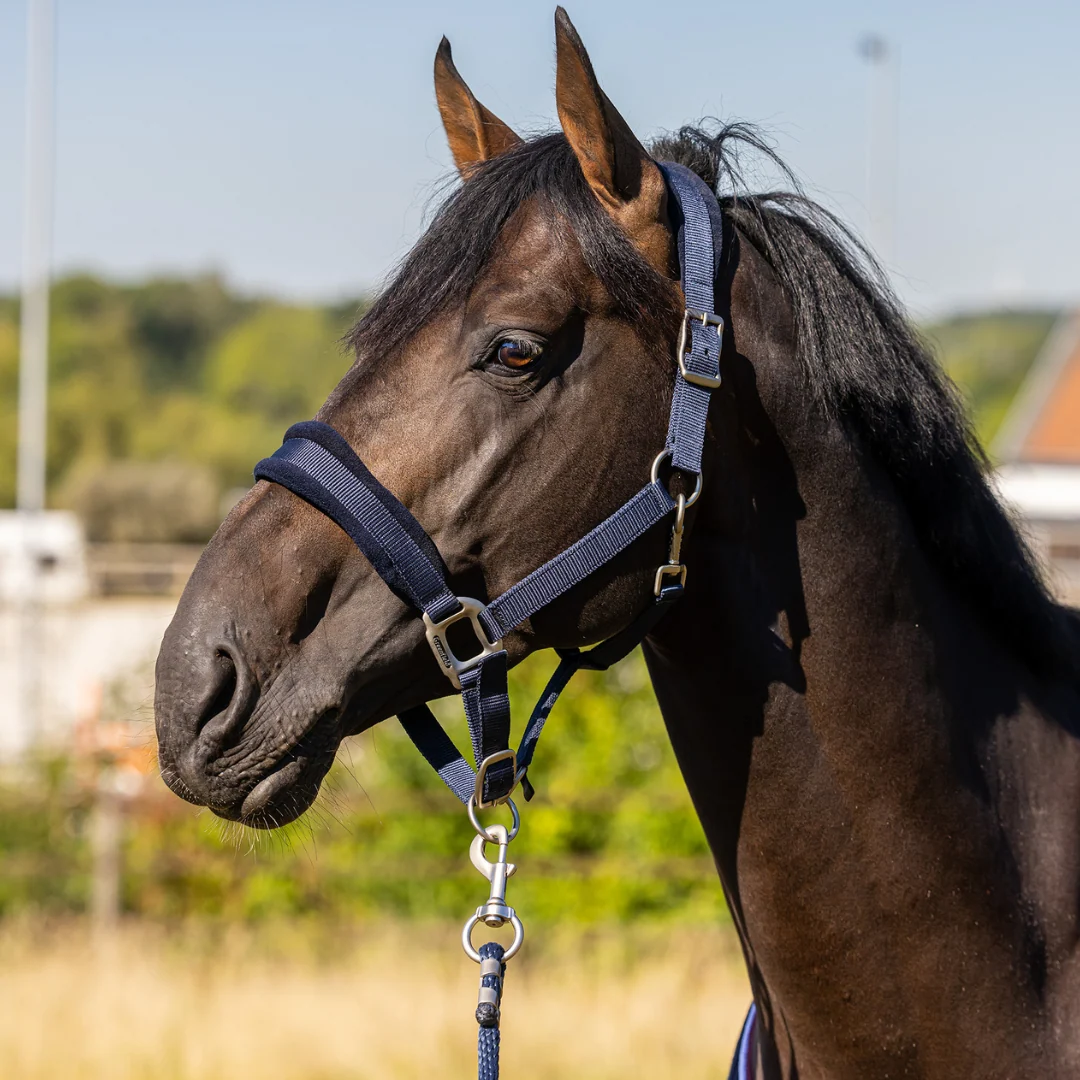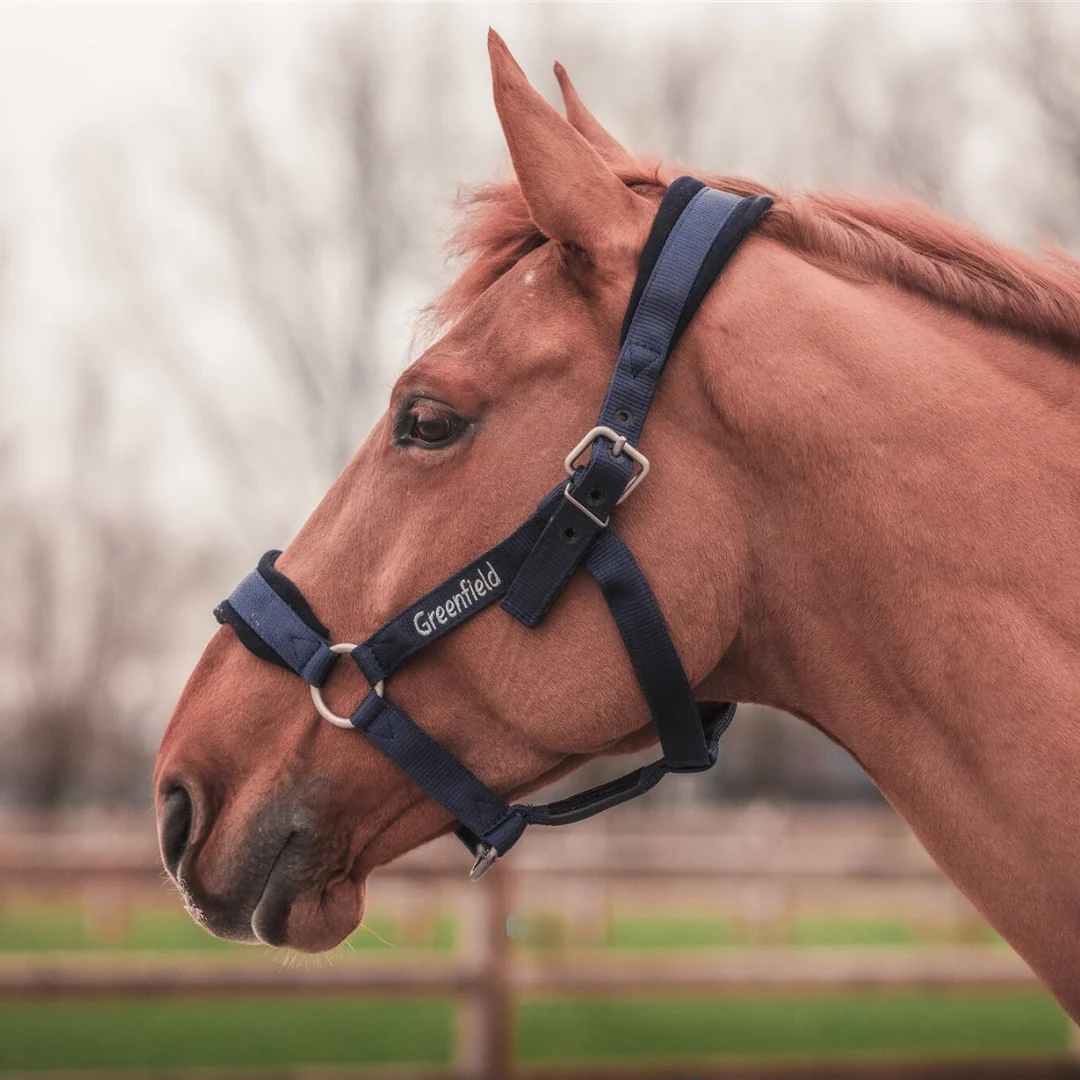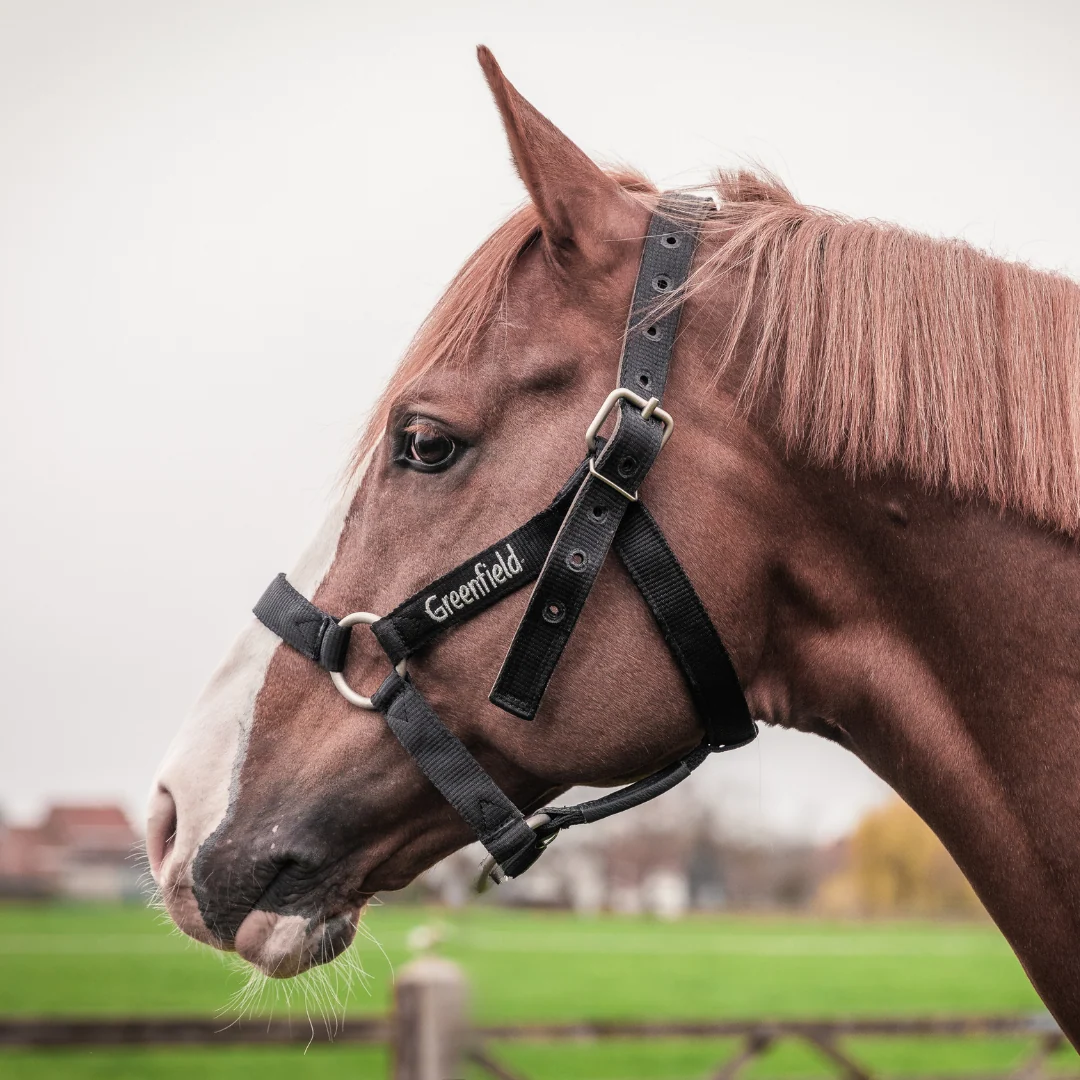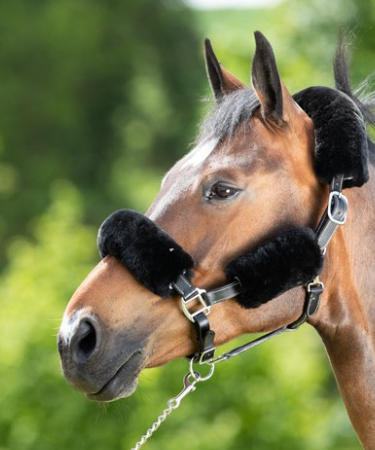
A headcollar is used every day: in the field, tied up during grooming, in the trailer. Each horse headcollar and lead rope on this page matches one of these uses. Greenfield headcollars, with or without fleece, are for everyday wear; the leather models from T de T or Ronzon are kept for showing, and Privilège offers a travel headcollar. The HKM safety headcollar and the Chetak rope halter complete the choice.
As for ropes, you will find rope or braided lead ropes and the 12-metre Premiere lunge line.
-
 From 35,95 €Select options This product has multiple variants. The options may be chosen on the product page
-
 From 16,96 €Select options This product has multiple variants. The options may be chosen on the product page
-
From 35,95 €Select options This product has multiple variants. The options may be chosen on the product page
-
From 35,95 €Select options This product has multiple variants. The options may be chosen on the product page
-
 From 27,95 €Select options This product has multiple variants. The options may be chosen on the product page
-
 From 9,90 €Select options This product has multiple variants. The options may be chosen on the product page
-

-
34,96 €
-
From 34,96 €Select options This product has multiple variants. The options may be chosen on the product page
-
From 44,95 €Select options This product has multiple variants. The options may be chosen on the product page
-
 From 86,90 €Select options This product has multiple variants. The options may be chosen on the product page
-
From 26,95 €Select options This product has multiple variants. The options may be chosen on the product page
-
-

-

-

-

-
 14,90 €