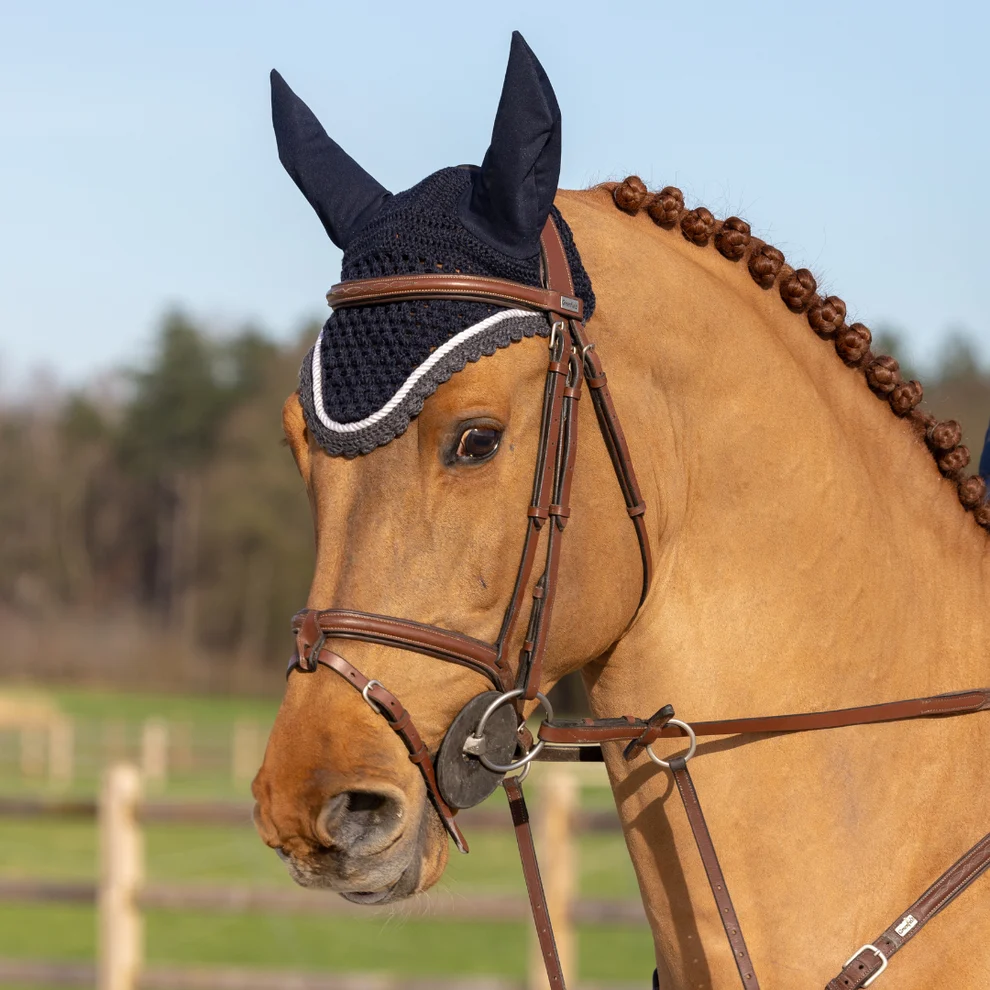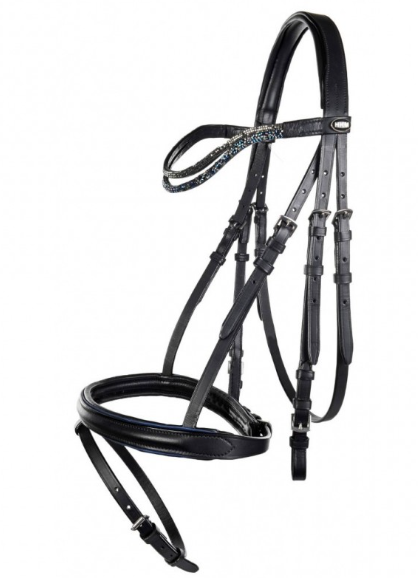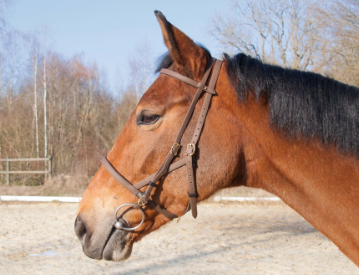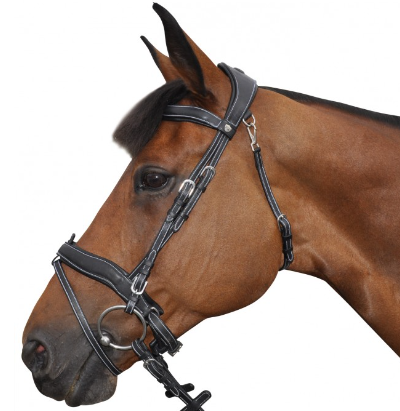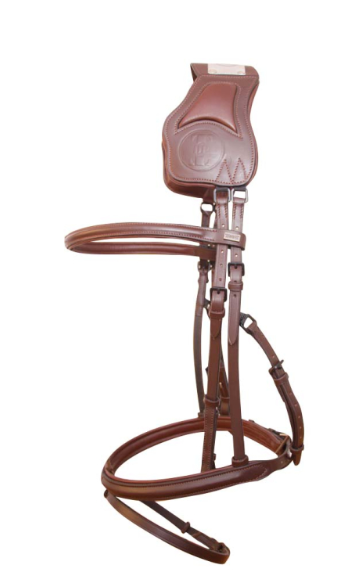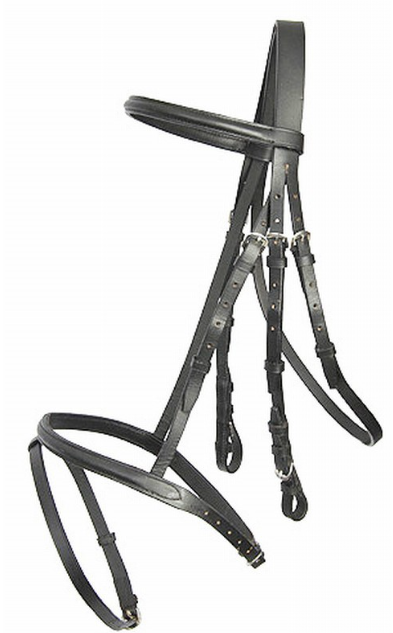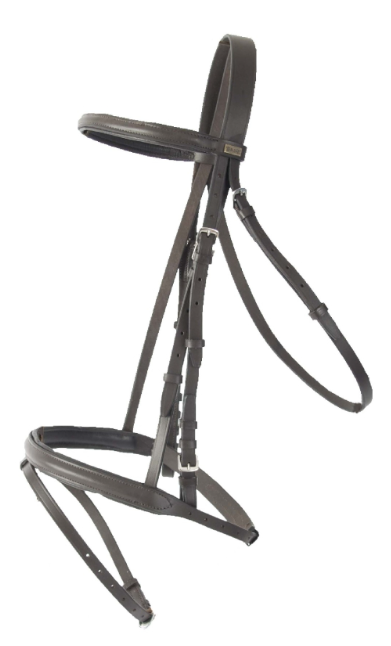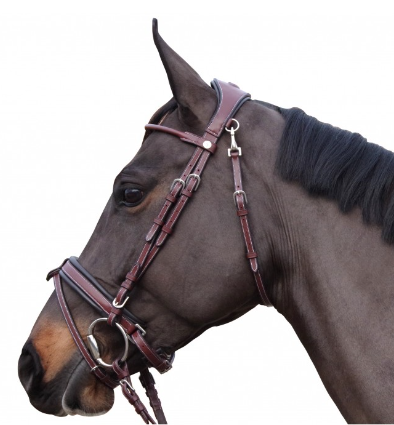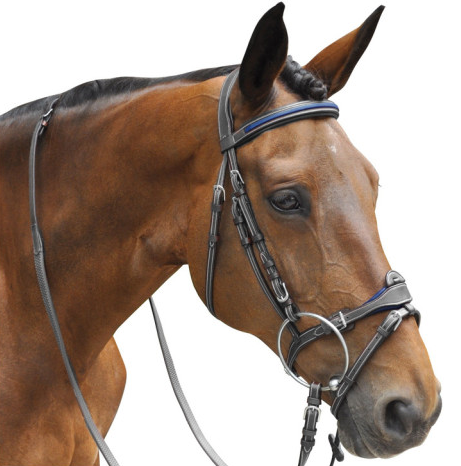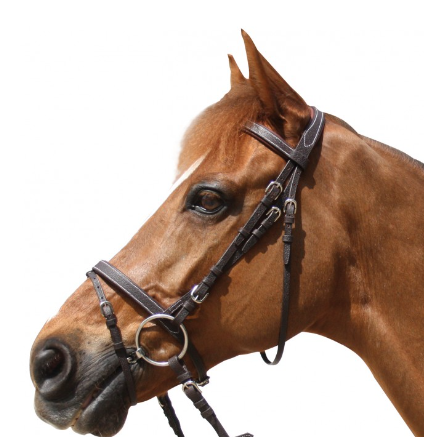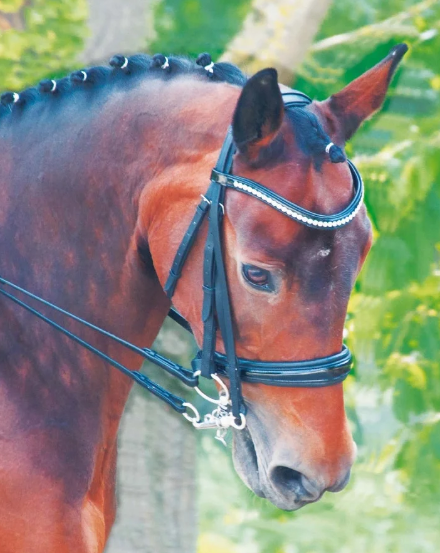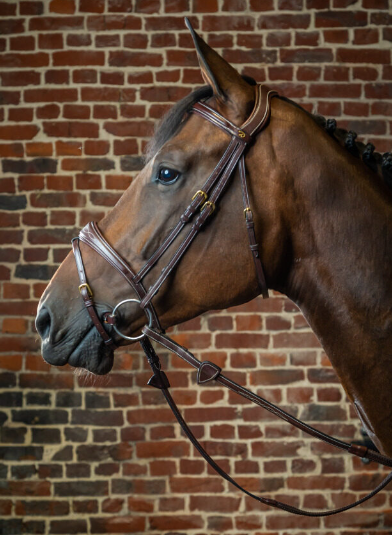
The bridle is the piece of tack the horse wears at every ridden session. If it presses in the wrong place, it soon shows: the horse shakes his head, pulls away when you put the headpiece on or stays tense in the contact. Our range of horse bridles includes several T de T models, among them the Matisse, the Renoir and the Sisley, the Privilège Madrid and Grandville, the HKM Nora and Anatomic, the HFI German, the Dyon anatomic bridle and the Canter Valegro.
-
 From 99,95 €Select options This product has multiple variants. The options may be chosen on the product page
-
 From 69,95 €Select options This product has multiple variants. The options may be chosen on the product page
-
 From 99,90 €Select options This product has multiple variants. The options may be chosen on the product page
-
 From 94,90 €Select options This product has multiple variants. The options may be chosen on the product page
-
 From 116,90 €Select options This product has multiple variants. The options may be chosen on the product page
-
 99,95 €
-

-
 159,90 €
-
 From 119,90 €Select options This product has multiple variants. The options may be chosen on the product page
-
 52,90 €
-
 61,90 €
-
 From 182,90 €Select options This product has multiple variants. The options may be chosen on the product page
-
 86,90 €
-

-
 119,90 €
-

-
 129,90 €
-
 289,90 €