Which spurs to choose for your leg
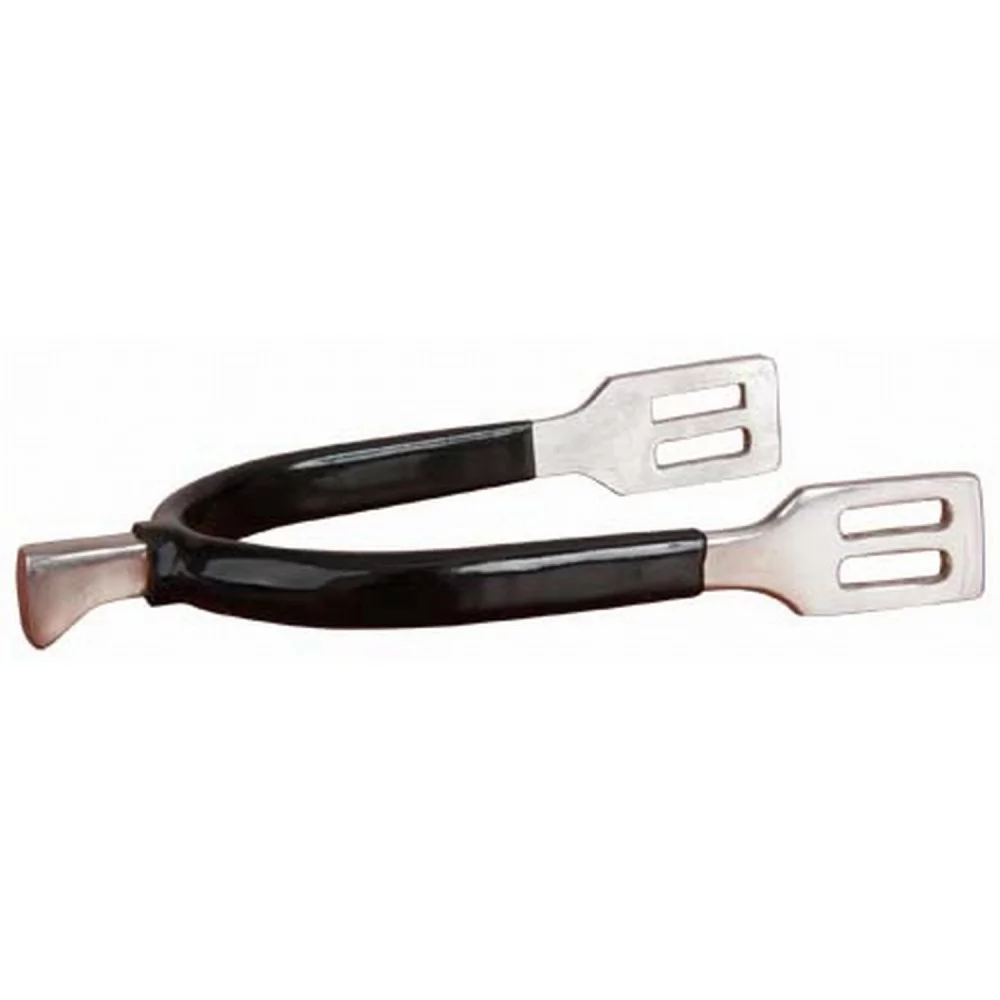
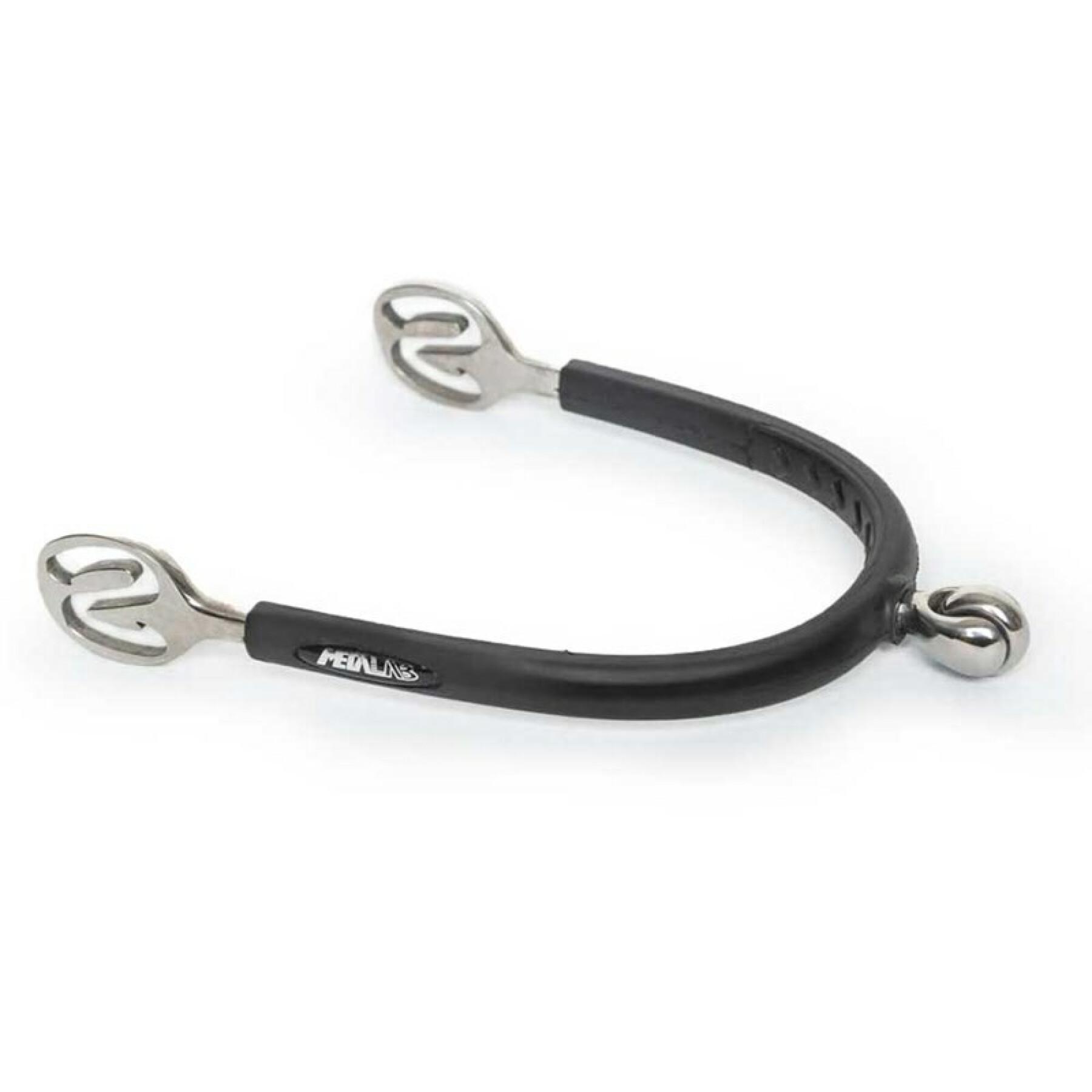
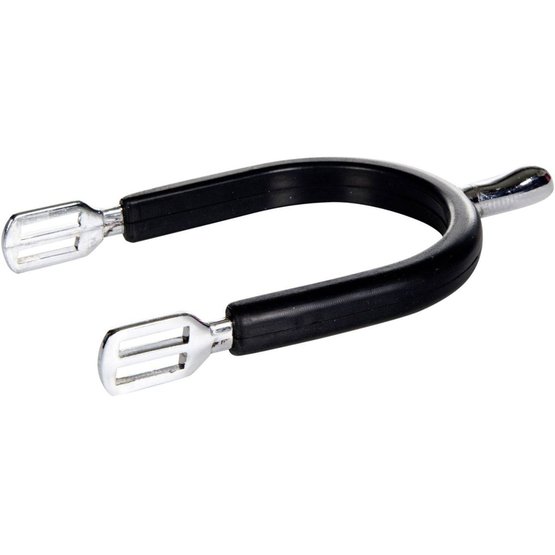
The shape of the end determines how gentle it is. The rubber-covered end and the ball spread the pressure over a rounded surface: they are the gentlest, the ones we recommend for a first pair. The hammer head, as on the T de T model, presses flat, over a wider surface than a thin neck.
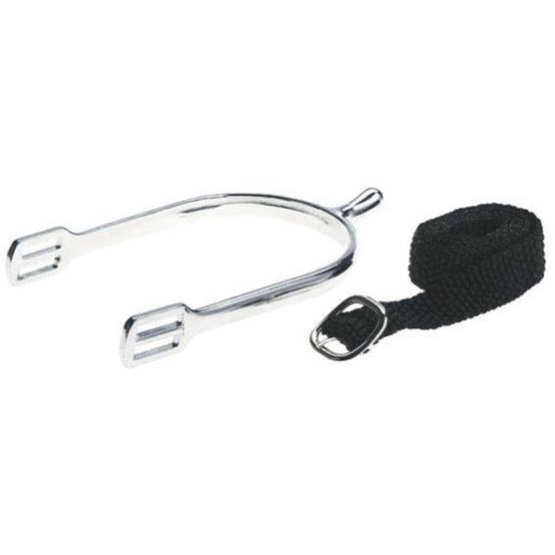
L’Prince of Wales spur, with its flat end, is still the most widely used model, in competition as well as in training. We stock them from BR, HKM, QHP, HFI and Privilège with the Kennedy. Finally, with a rowel, a small wheel turns against the horse's side instead of pressing from a fixed point; it requires a very stable leg.
Neck length
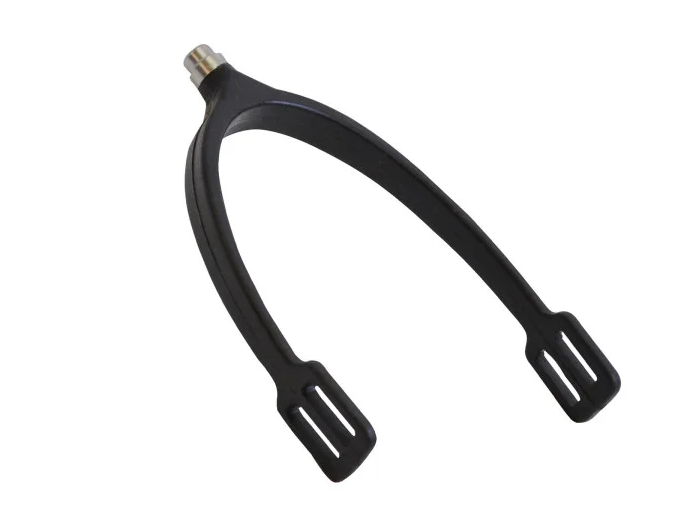
A short neck only touches the horse if you deliberately turn your heel towards it. It is the safest while your leg still moves. A longer neck helps tall riders on a narrow horse, who would otherwise have to raise their heel to reach the horse's side. If in doubt, go short.
Fitting and care
The spur sits on the heel counter of the boot, just above the heel, with the neck pointing downwards and the strap buckle on the outside of the foot. It should neither slide towards the sole nor turn as you walk. It can be worn on leather riding boots as well as on jodhpur boots with half chaps, provided the heel is well defined.
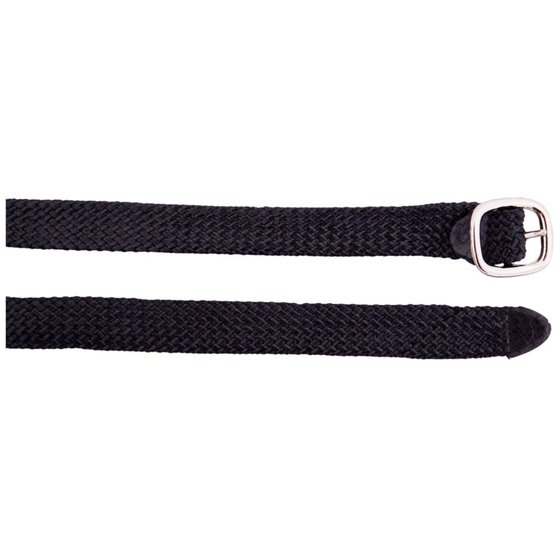
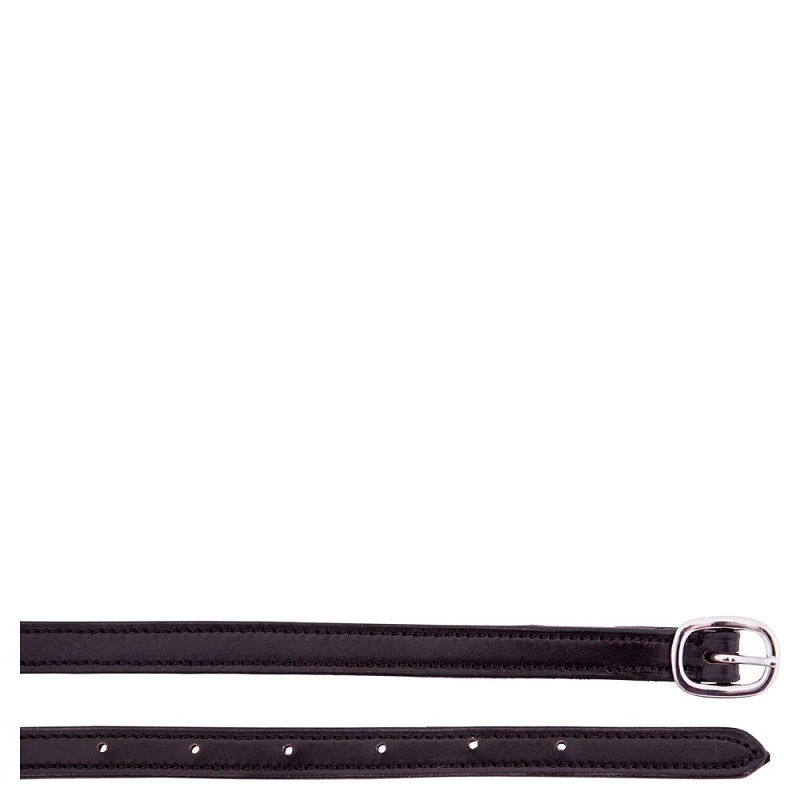
The metal just needs a wipe with a sponge after the session, then drying before you put it away. Straps wear faster: check them before every show and replace them as soon as they split or fray. A strap that breaks mid-test lets the spur swing round the foot. We sell replacement spur straps .
To find out more, read our guide on choosing your spurs and fitting them properly.




 49,90 €
 22,90 €

 29,90 €
 74,90 €