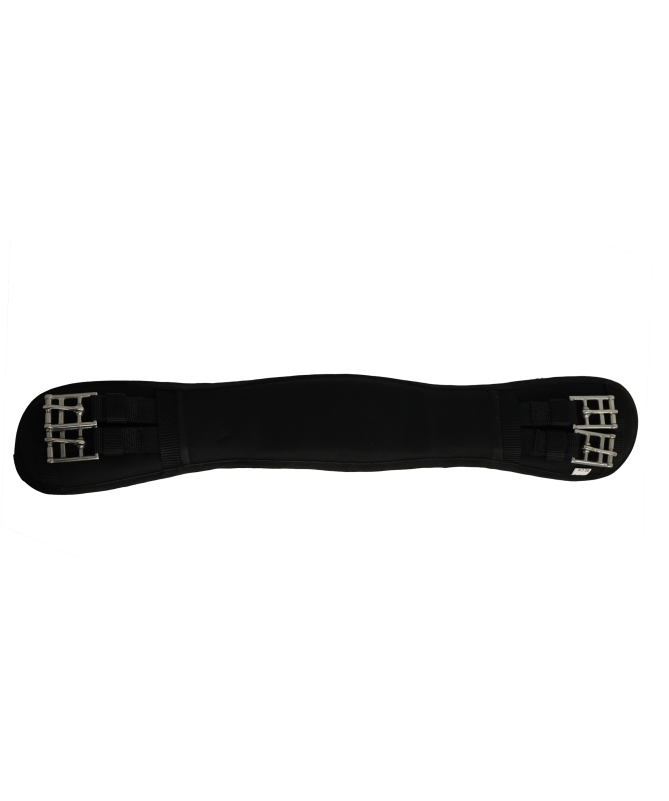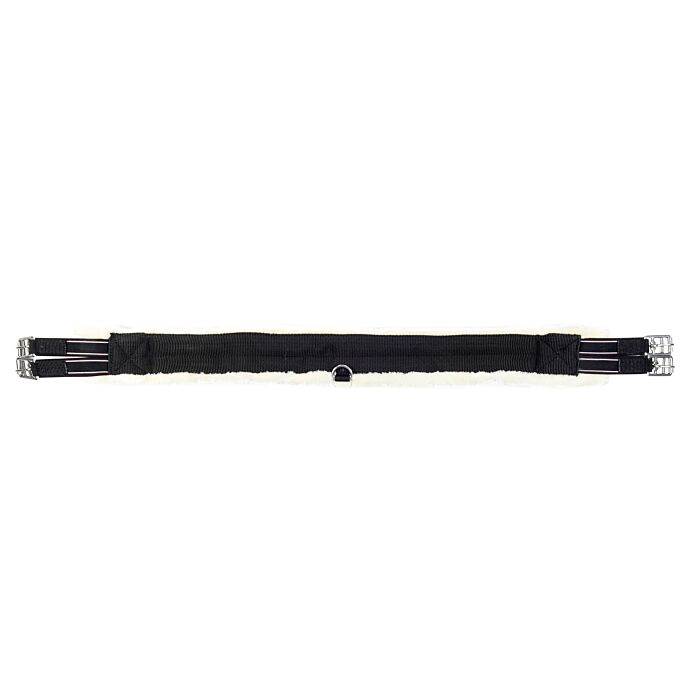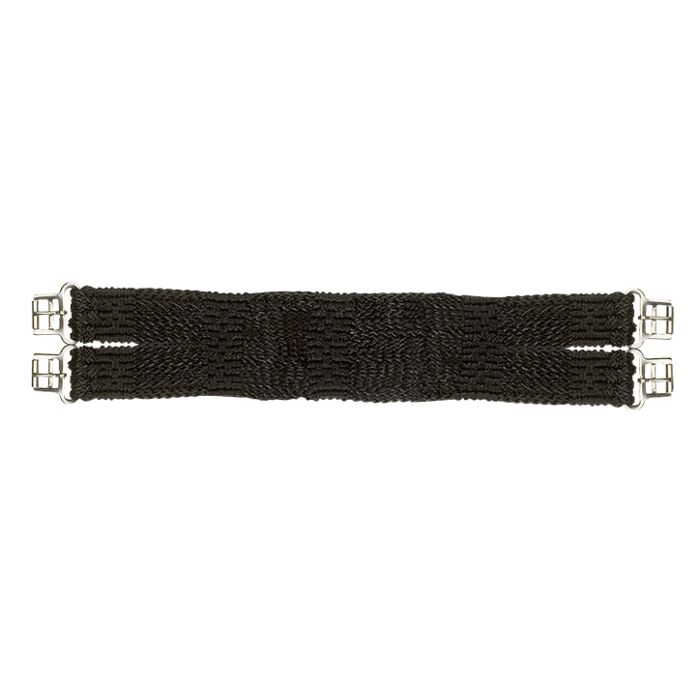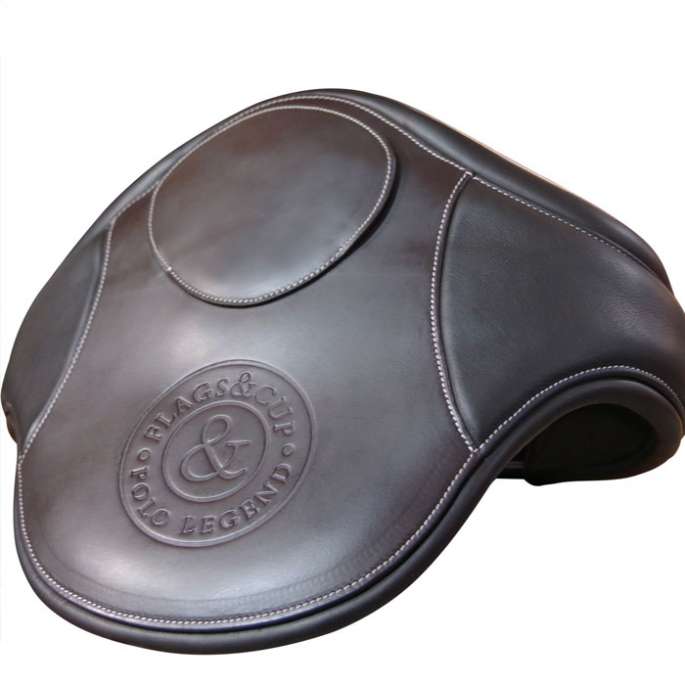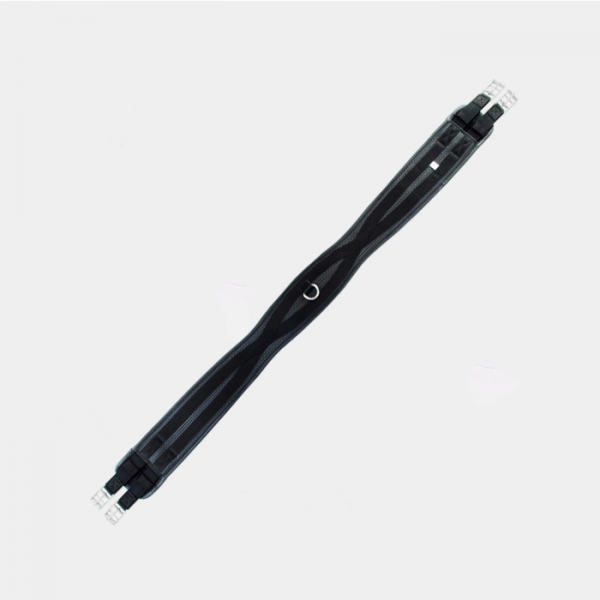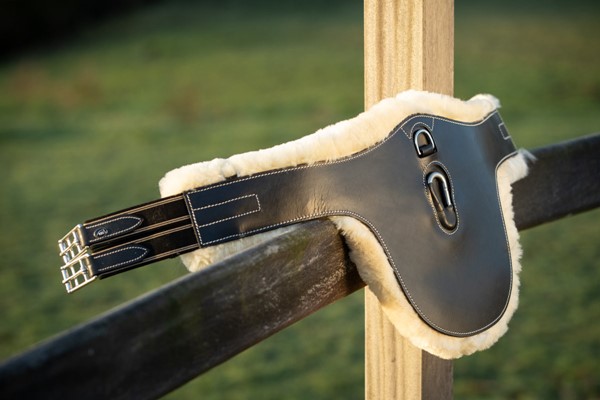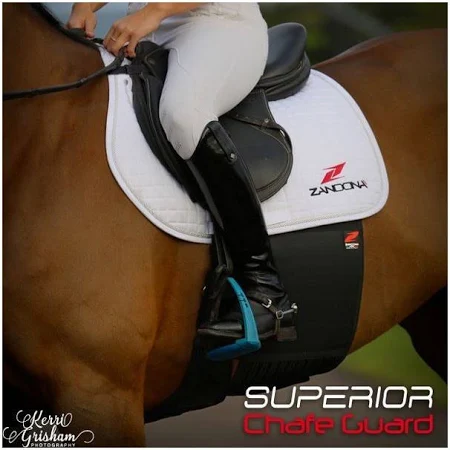
A poorly chosen girth soon shows: broken hairs behind the elbows, small sores, a horse that tenses up or tries to bite when you do up the girth. Our range of horse girths covers long girths for jumping or general-purpose saddles, short dressage girths and stud guard girths for jumping. As for materials, you have leather (T de T, HFI), gel and PVC (HKM, T de T) and the synthetic fur of the HKM Teddy. The Zandona Respect girth and the Flags & Cup Comfort stud guard complete the range.
-
 From 49,99 €Select options This product has multiple variants. The options may be chosen on the product page
-
 From 36,95 €Select options This product has multiple variants. The options may be chosen on the product page
-
 49,96 €
-

-
 Select options This product has multiple variants. The options may be chosen on the product page
-
 109,90 €
-
From 85,90 €Select options This product has multiple variants. The options may be chosen on the product page
-
 14,90 €
-
17,95 €
-
 13,00 €
-
 22,90 €
-

-
 64,90 €
-
 199,90 €
-
-
-
 72,90 €
-
 92,90 €