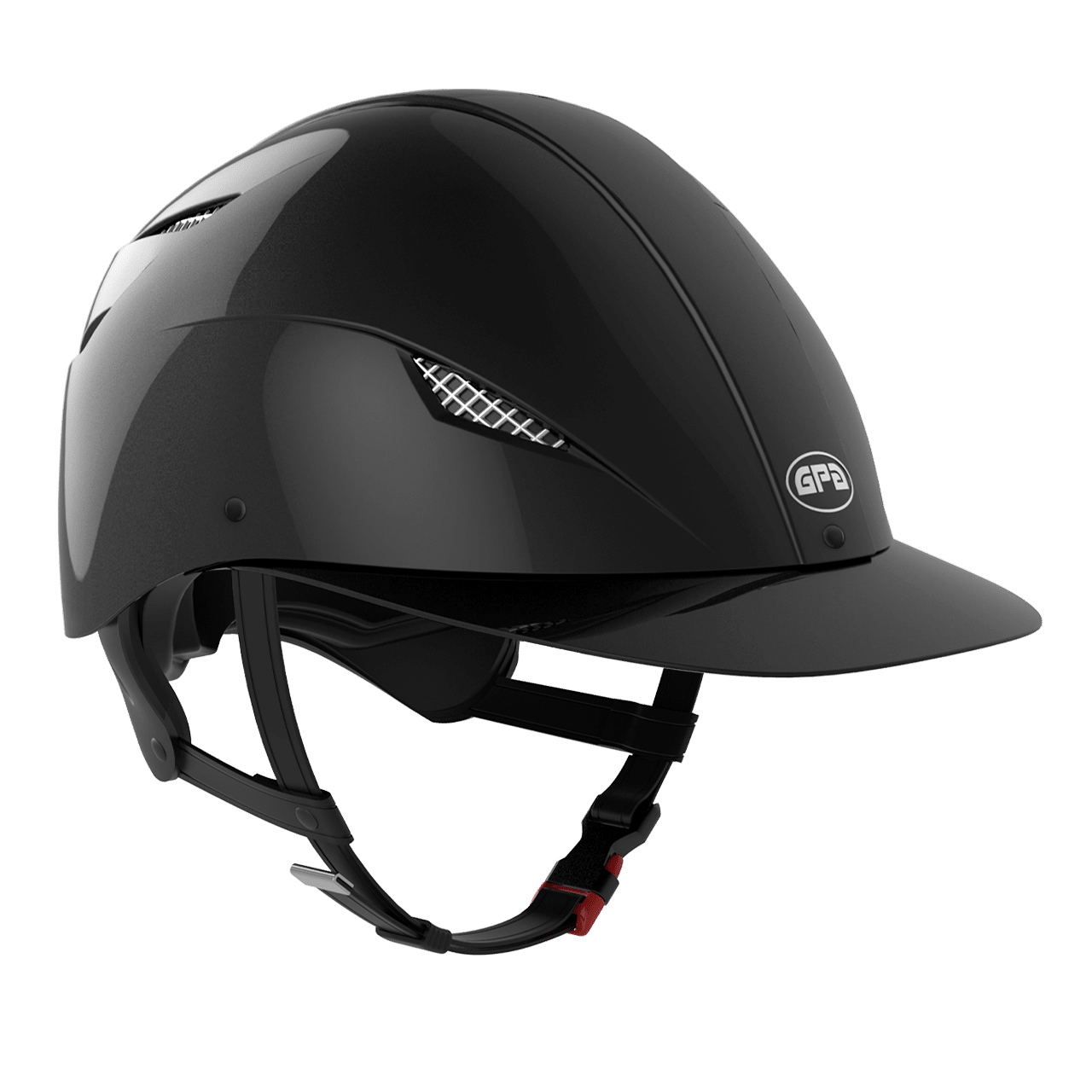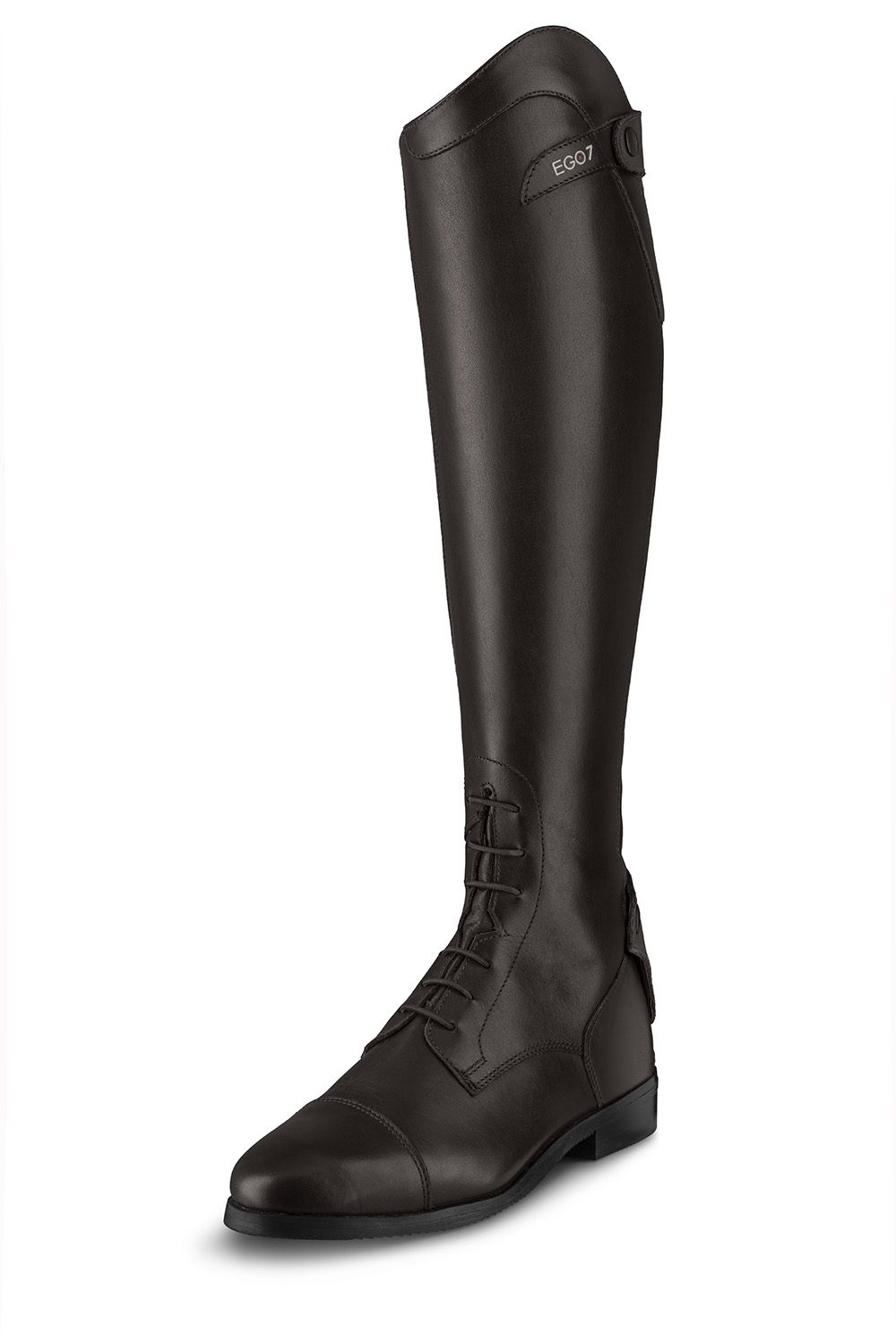
Riding hat, body protector, riding boots or jodhpur boots, half chaps: the riding equipment in this section protects the rider and keeps them secure in the saddle. You will find around thirty riding hats from GPA, KEP, Kask, HKM and Harcour, Hit-Air, Twist’Air and Airbag Rider airbag vests, and as many jodhpur boots from Ego7, HKM, Privilège, T de T and Sergio Grasso.
These pieces work in relation to one another: the sock changes how the boot fits, the jodhpur boot how the half chap fits. The safest approach is to try them on together, in our shop in Saint-Lô.
-
 From 74,95 €Select options This product has multiple variants. The options may be chosen on the product page
-
 From 39,95 €Select options This product has multiple variants. The options may be chosen on the product page
-
 From 9,95 €Select options This product has multiple variants. The options may be chosen on the product page
-
 From 9,95 €Select options This product has multiple variants. The options may be chosen on the product page
-
 32,95 €
-
 From 119,95 €Select options This product has multiple variants. The options may be chosen on the product page
-
From 169,96 €Select options This product has multiple variants. The options may be chosen on the product page
-
 From 69,95 €Select options This product has multiple variants. The options may be chosen on the product page
-
 From 89,95 €Select options This product has multiple variants. The options may be chosen on the product page
-
 From 50,00 €Select options This product has multiple variants. The options may be chosen on the product page
-
 From 429,90 €Select options This product has multiple variants. The options may be chosen on the product page
-
 28,00 €
-
25,00 €
-
30,00 €
-
 From 349,00 €Select options This product has multiple variants. The options may be chosen on the product page
-
From 129,95 €Select options This product has multiple variants. The options may be chosen on the product page
-
 From 99,95 €Select options This product has multiple variants. The options may be chosen on the product page
-
From 99,95 €Select options This product has multiple variants. The options may be chosen on the product page