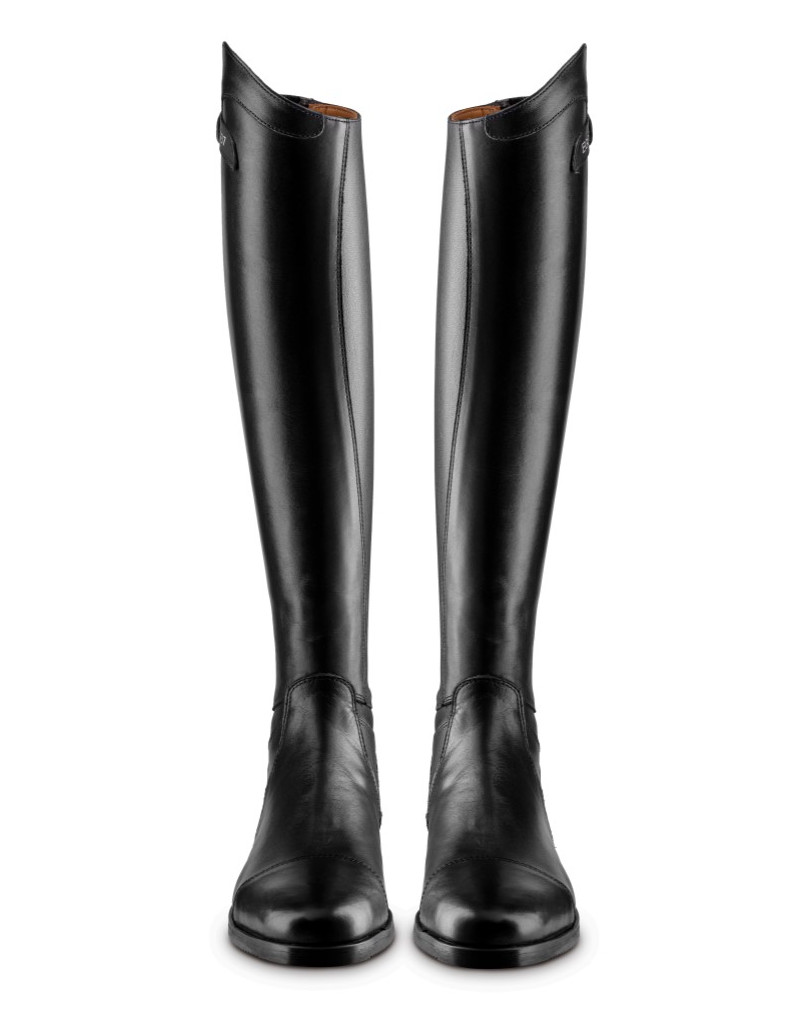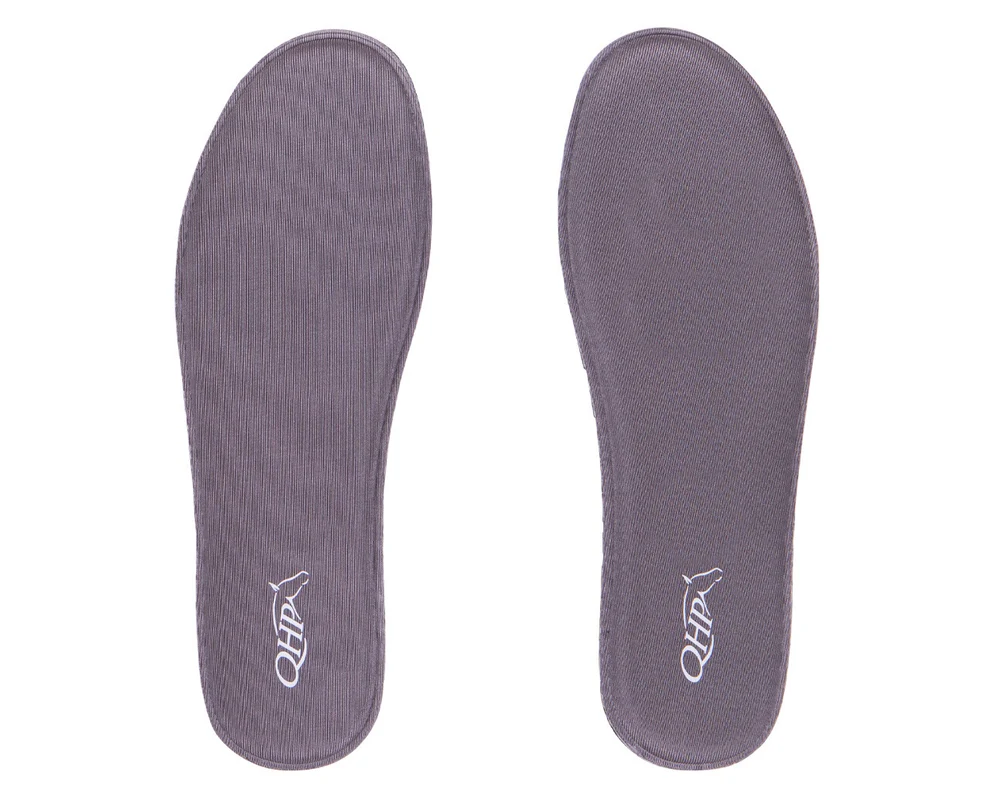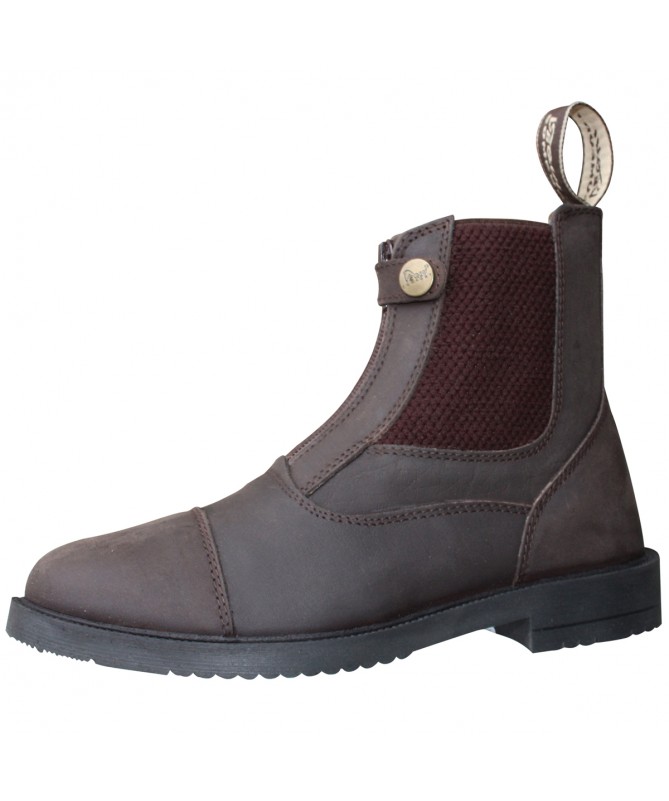
Rider equipment is rarely bought all at once. You start with what protects you, the riding hat and footwear, then add to it over the seasons and the first competitions. This range has more than 250 items for women, men and children, in three families: clothing, equipment (riding hats, body protectors, riding boots, jodhpur boots, chaps) and accessories.
For clothing, you will find Horse Pilot, Harcour, HKM, Privilège and Ego7; for riding hats, GPA, KEP and Kask. For sizing or any question, we can help in the shop in Saint-Lô or by phone.
-
 From 25,00 €Select options This product has multiple variants. The options may be chosen on the product page
-
 From 495,00 €Select options This product has multiple variants. The options may be chosen on the product page
-
 From 49,96 €Select options This product has multiple variants. The options may be chosen on the product page
-
 From 15,95 €Select options This product has multiple variants. The options may be chosen on the product page
-
 49,96 €
-
 From 39,90 €Select options This product has multiple variants. The options may be chosen on the product page
-
 49,96 €
-
From 159,95 €Select options This product has multiple variants. The options may be chosen on the product page
-
 From 349,00 €Select options This product has multiple variants. The options may be chosen on the product page
-
 From 49,90 €Select options This product has multiple variants. The options may be chosen on the product page
-

-
 From 39,95 €Select options This product has multiple variants. The options may be chosen on the product page
-

-
 From 8,95 €Select options This product has multiple variants. The options may be chosen on the product page
-
From 99,95 €Select options This product has multiple variants. The options may be chosen on the product page
-
From 99,95 €Select options This product has multiple variants. The options may be chosen on the product page
-
 From 89,95 €Select options This product has multiple variants. The options may be chosen on the product page
-
From 229,96 €Select options This product has multiple variants. The options may be chosen on the product page