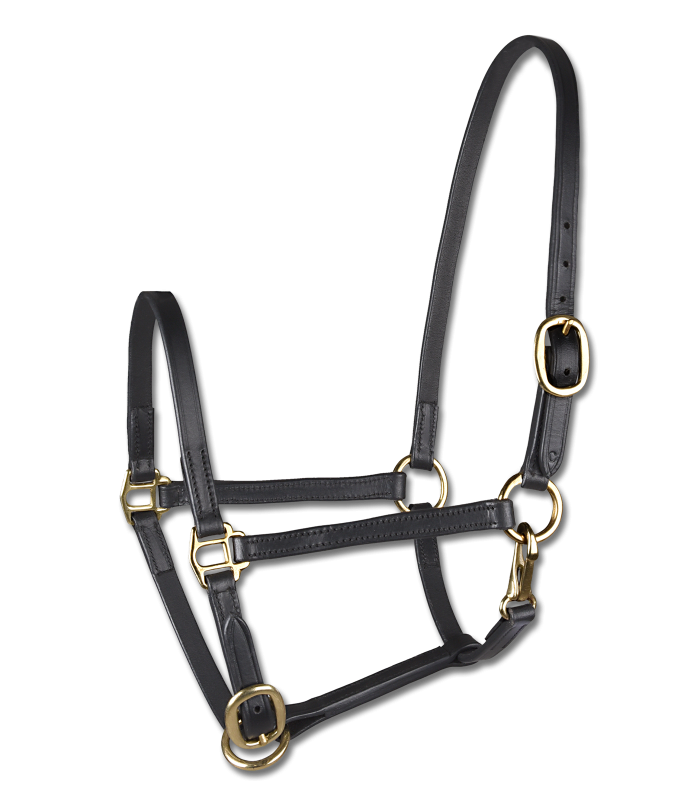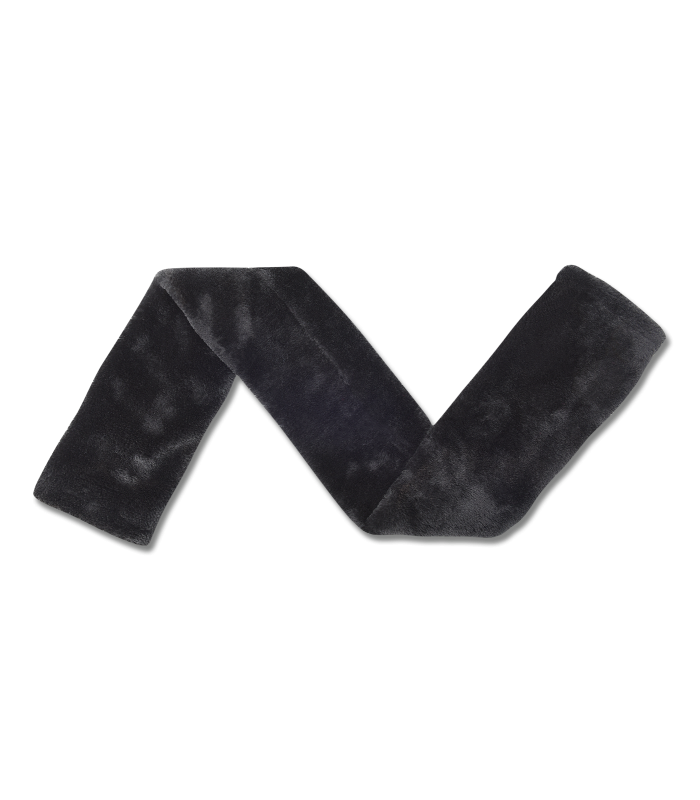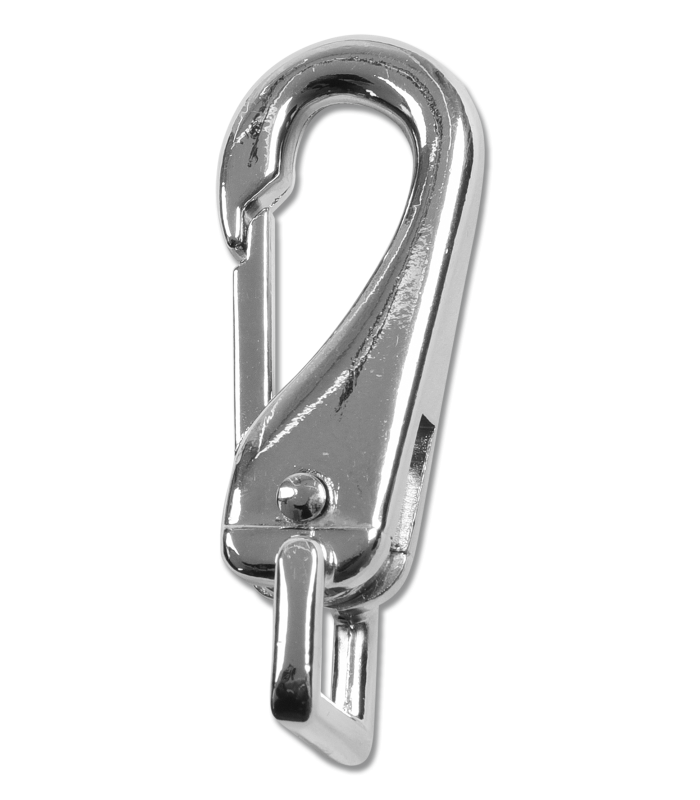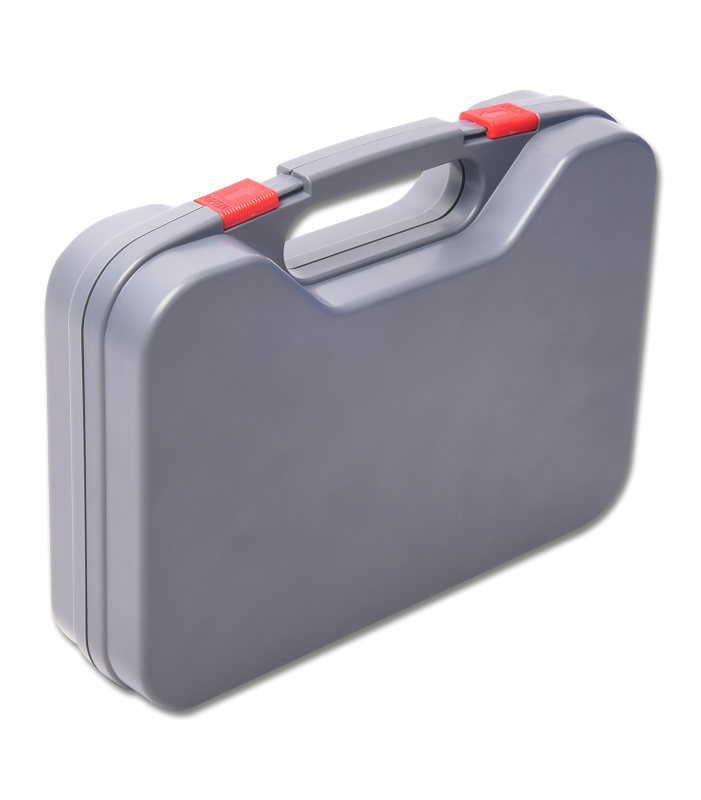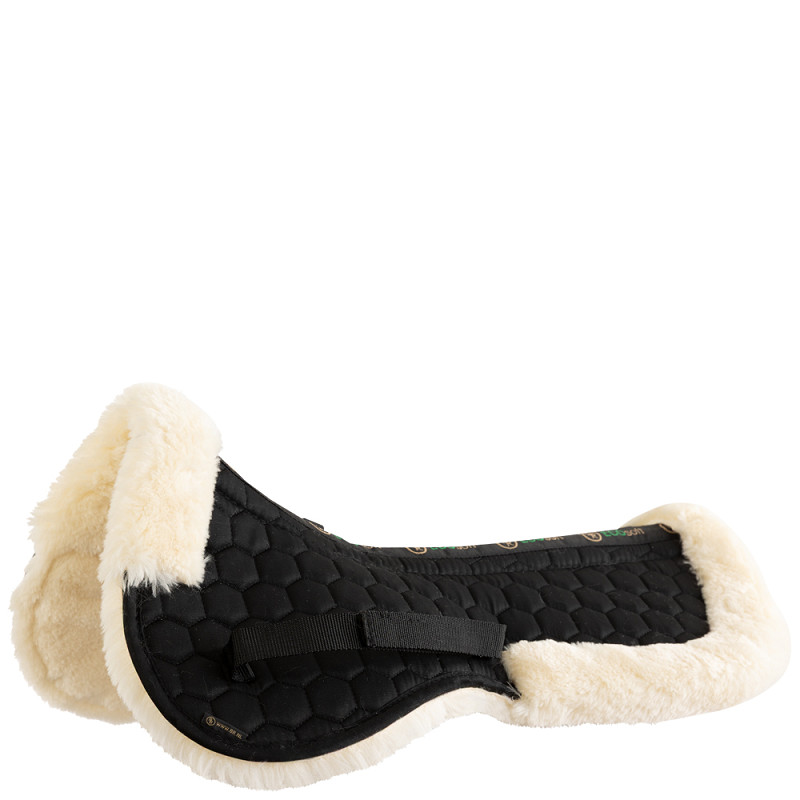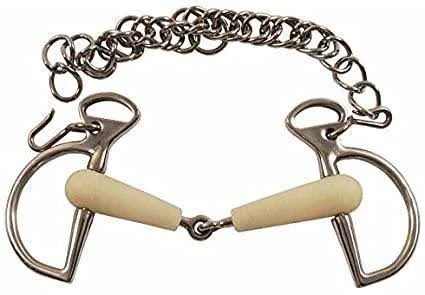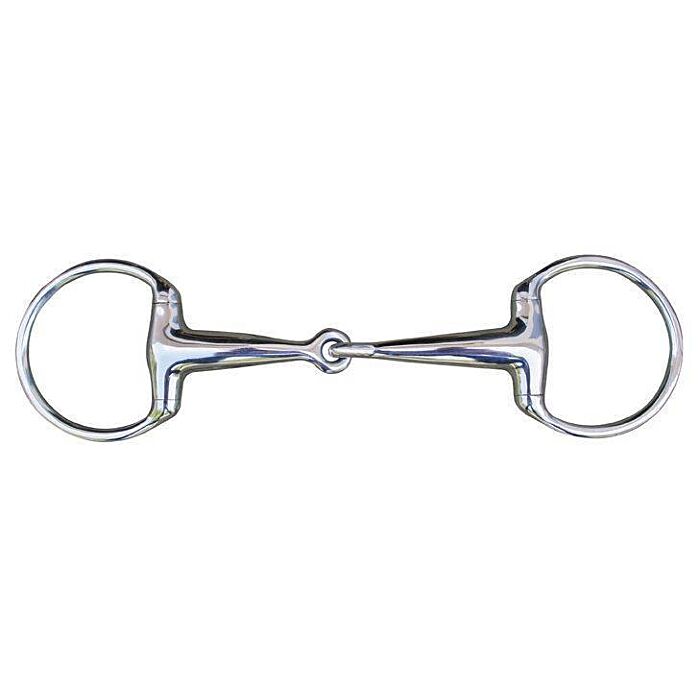
Headcollar, bit, tendon boots, half pad or saddle pad: every horse accessory in this section is for work, care or travel. We bring together brands such as HKM, Waldhausen, T de T, Privilège, Ronzon, BR and Zandona, along with more affordable ranges for everyday equipment.
Headcollars and boots come in Shetland, Pony, Cob and Full sizes. If you are unsure between two sizes or two bits, our team can advise you in the shop in Saint-Lô or by phone.
-
 85,00 €
-
 From 26,95 €Select options This product has multiple variants. The options may be chosen on the product page
-
 11,95 €
-

-
 From 94,90 €Select options This product has multiple variants. The options may be chosen on the product page
-
 From 44,90 €Select options This product has multiple variants. The options may be chosen on the product page
-
-
-
Select options This product has multiple variants. The options may be chosen on the product page
-
-
 52,96 €
-
 From 59,95 €Select options This product has multiple variants. The options may be chosen on the product page
-

-
 49,90 €
-

-
29,95 €
-
 109,90 €
-
 44,90 €