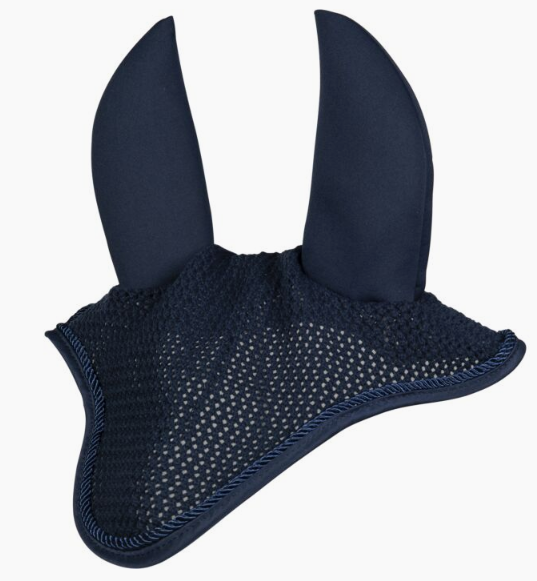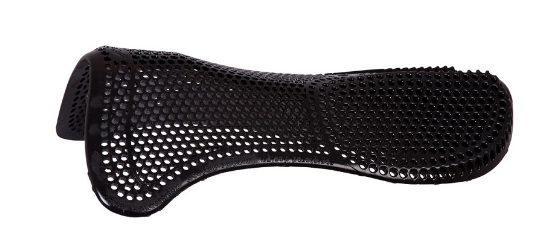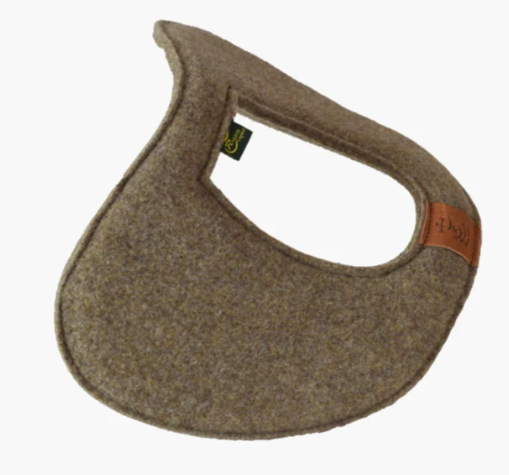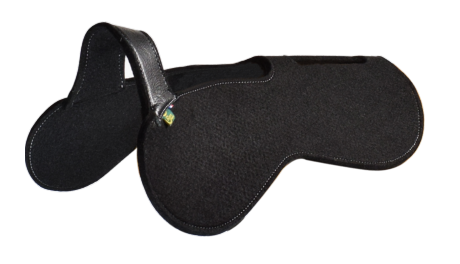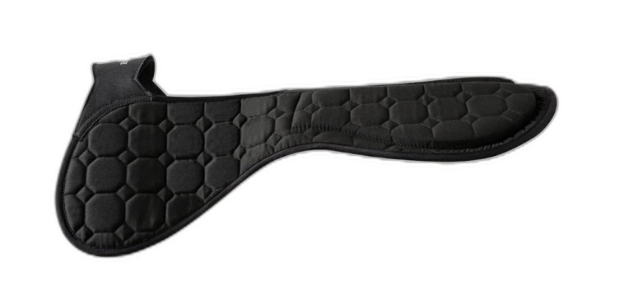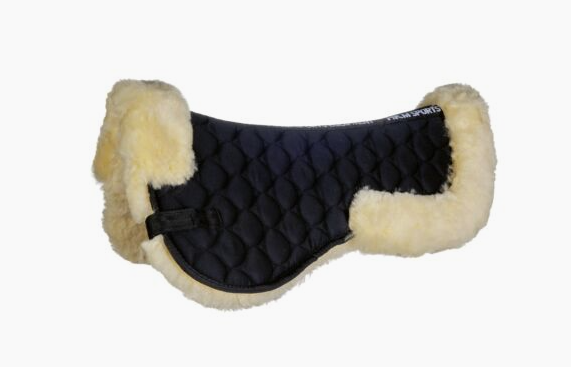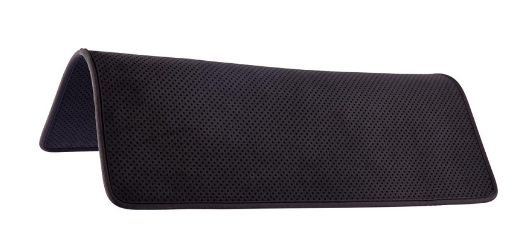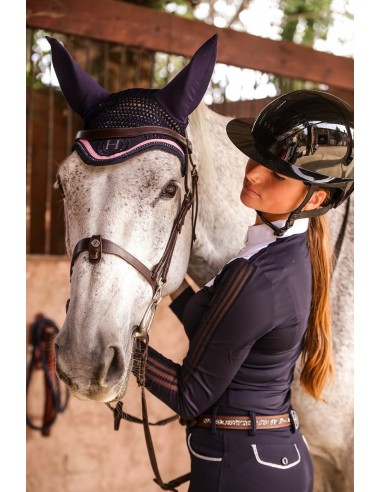
Between the saddle and the horse's back there is at least a saddle pad, often a half pad too. This horse textiles section brings both together, along with exercise sheets for warming up in cold weather and anti-noise ear bonnets. The saddle pads come from Harcour (Sisko, Soft, Sitadin) and Greenfield. The half pads, from BR, Ronzon, HKM and Equiline, come in sheepskin, felt, gel, neoprene or memory foam.
A sensitive back, a saddle that no longer fits quite right? Let's talk about it in store in Saint-Lô.
-
 From 39,90 €Select options This product has multiple variants. The options may be chosen on the product page
-

-

-

-

-

-
 52,90 €
-
 176,95 €
-

-
 159,00 €
-
 79,96 €
-
 24,90 €
-
 From 44,98 €Select options This product has multiple variants. The options may be chosen on the product page
-
 From 69,98 €Select options This product has multiple variants. The options may be chosen on the product page
-
 From 59,98 €Select options This product has multiple variants. The options may be chosen on the product page
-
 189,00 €